What is a cover letter and do you still need one?
A cover letter is a short letter that goes with your resume and explains, in your own words, why you fit one specific job. The resume lists what you have done; the cover letter connects it to what this employer needs. Not every application requires one, but in many cases it is the easiest way to stand out from candidates with similar resumes.
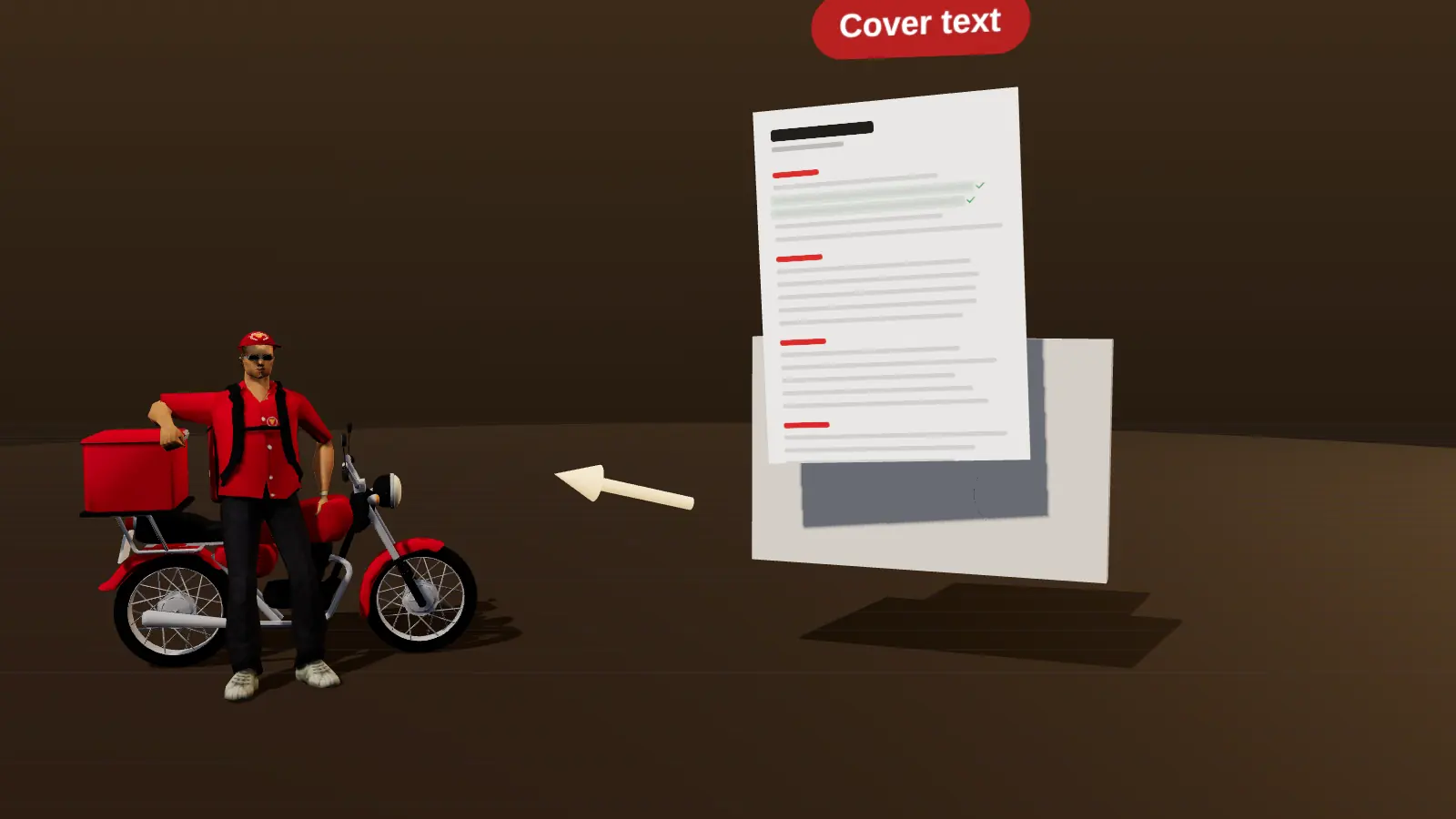
- A cover letter connects your experience to one vacancy in 150 to 300 words.
- It explains what a resume cannot: motivation, context, gaps, relocation, career change.
- Send one when it is requested, when the role matters to you or when you need to explain something.
- It should never repeat the resume line by line.
What a cover letter is for
The purpose of a cover letter is to answer the question a recruiter has after skimming your resume: why this person, for this job, now? It does three things a resume does poorly:
- Links your strongest experience to the employer's top requirements.
- Shows motivation and knowledge of the company or team.
- Explains context: a career change, a gap, relocation, a part-time history or a referral.
Recruiters often read the cover letter after deciding the resume is relevant, to choose between similar candidates or to check written communication.
Cover letter vs resume
| Resume | Cover letter | |
|---|---|---|
| Purpose | Record of experience, skills and education | Argument for one specific job |
| Form | Bullets, sections, dates | Short paragraphs in full sentences |
| Length | One to two pages | Under one page, 150 to 300 words |
| Tailored | Emphasis adjusted per job | Rewritten per job |
| Voice | Neutral, no I | First person, direct |
Related: resume vs CV.
Is a cover letter necessary?
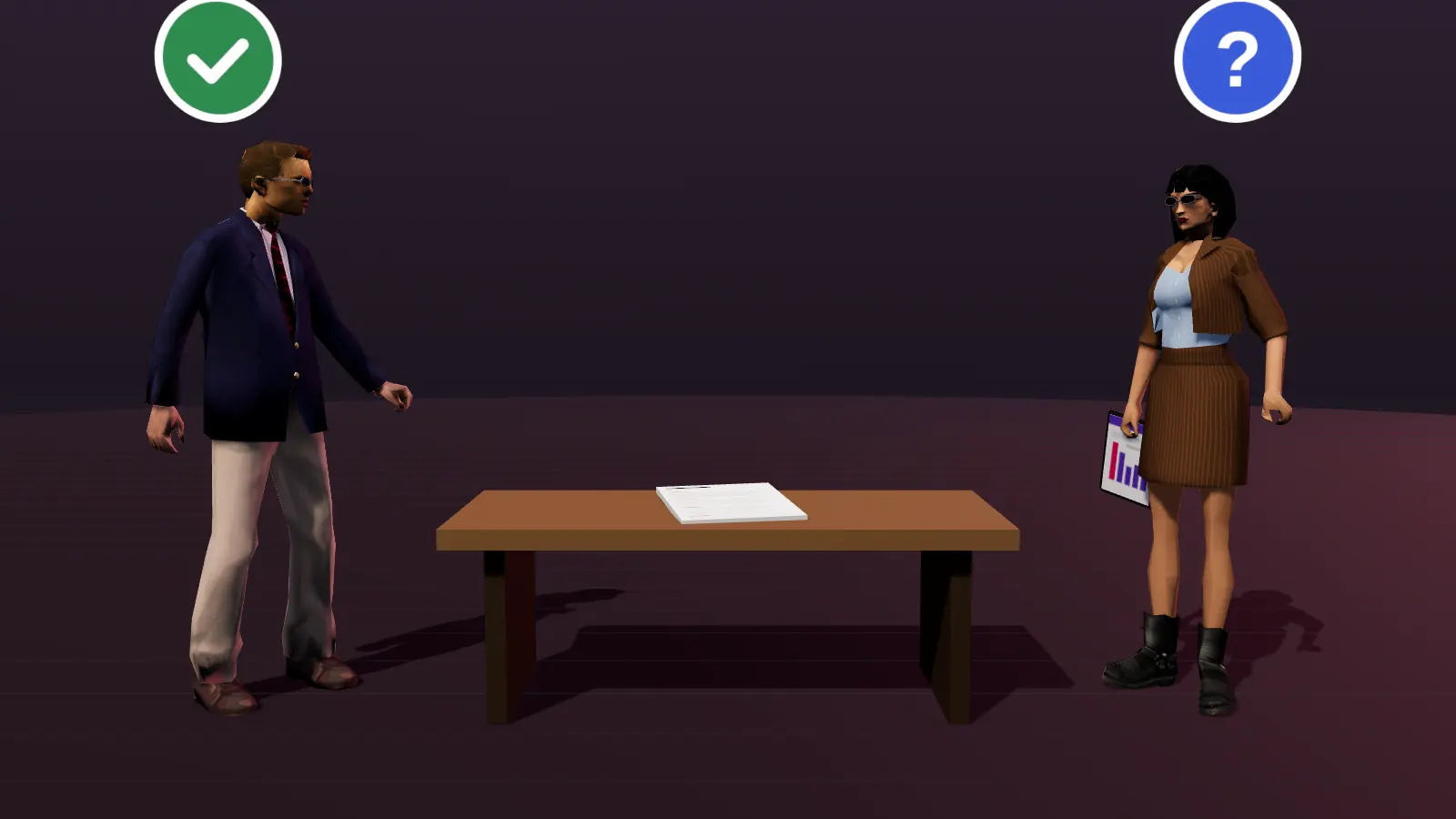
It depends on the application:
| Situation | Send one? |
|---|---|
| The job ad asks for a cover letter | Yes, always |
| The form has an optional cover letter field | Recommended for roles you care about |
| Career change, gap, relocation or overqualification | Yes, to explain the context |
| Referral or a contact told you about the role | Yes, mention it in the first line |
| Easy-apply with no field for a letter | Not needed |
| Hourly or shift roles | Optional; a short note with availability helps |
A generic letter can do more harm than none. If you send one, make it about this vacancy.
JobAny drafts a short cover letter from your resume and the vacancy, built around two real proof points.
How long should a cover letter be?
Between 150 and 300 words, which is three to five short paragraphs and comfortably under one page. For email applications or online forms, 60 to 120 words is enough. Recruiters skim; a long letter often goes unread.
Cover letter format
- Header: your name and contact details, matching your resume.
- Greeting: the hiring manager's name if you can find it, otherwise Dear Hiring team.
- Opening: the role and your strongest reason for fitting it.
- Body: two short paragraphs, each proving one requirement with a real example.
- Why them: one sentence about the company, team or product.
- Close: a polite line offering to talk, and your name.
Copy a ready template from cover letter examples.
What to include and what to leave out
Include: the exact job title, two requirements you match with proof, a specific reason for the employer, any context the resume leaves unclear.
Leave out: salary history unless asked, negative comments about past employers, personal details unrelated to the job, long lists of skills already in the resume.
Step-by-step guidance: how to write a cover letter, or with AI: how to write a cover letter with AI.
Write the letter for your next application
Open the vacancy in JobAny and get a draft you can edit in minutes. Start costs $1, no subscription.
Frequently asked questions
What is a cover letter in simple words?
A short letter you send with your resume to explain why you are a good fit for one specific job.
Do employers actually read cover letters?
Many do, especially when choosing between similar candidates or when the role involves writing or client contact. Others skip them. A short, specific letter is worth the effort for roles you care about.
What is the difference between a cover letter and a resume?
A resume lists your experience; a cover letter argues why that experience fits this particular job.
Can a cover letter be one paragraph?
For email or forms, yes, if it names the role and includes one real proof point.
Do I need a cover letter for an internship?
Often yes, because there is little experience on the resume; the letter shows motivation and relevant study or projects.
Keep reading