Resume and job search guides
Short, practical answers for people applying to jobs. Each guide answers one real question: how to do something, what a term means, why something happens or where to find it.

How to…
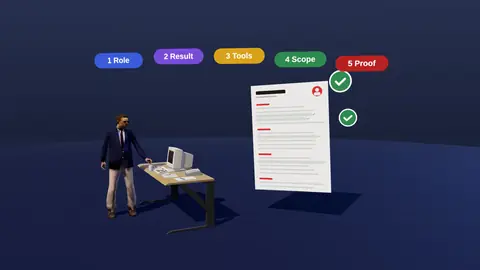
How-to guideHow to make a resume: a step-by-step guideBuild a resume from scratch in seven steps: collect facts, choose a structure, write the header and summary, describe jobs with results, add skills and education, tailor it and export a clean PDF.
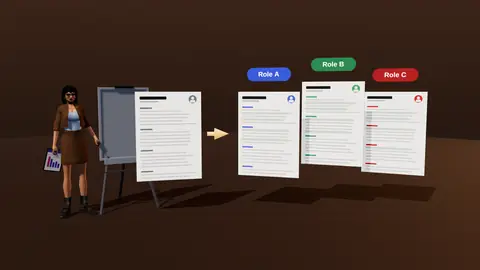
How-to guideHow to tailor your resume to a job descriptionA practical method to tailor a resume to a vacancy in 20 minutes: split the job into requirements, map each to real evidence, rewrite the top third of page one and keep every fact true.
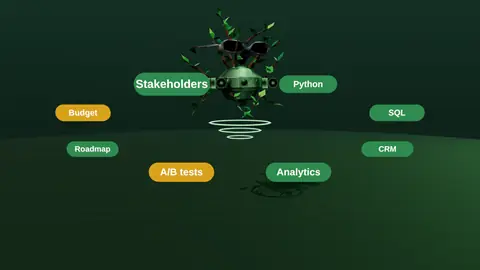
How-to guideHow to find the right resume keywords in a job descriptionA step-by-step method to extract resume keywords from a vacancy: hard skills, tools, titles and phrases, how to rank them, how to use them honestly and what not to do.
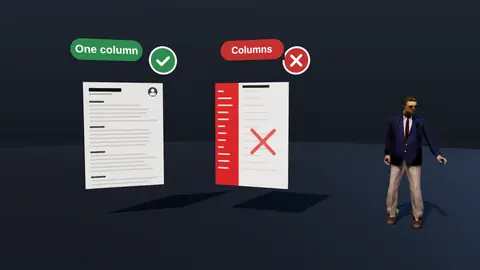
How-to guideATS-friendly resume format: layout, fonts and sections that workThe safest resume format for applicant tracking systems: single column, standard headings, plain fonts, consistent dates, PDF or DOCX, with a checklist and examples of what breaks parsing.
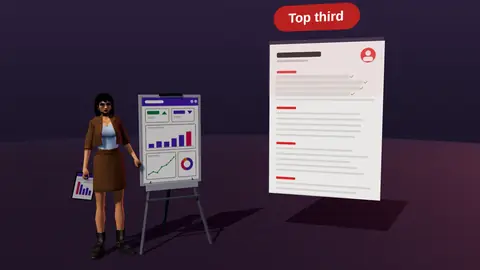
How-to guideResume summary examples and a formula that worksHow to write a resume summary in three lines: a formula, ten examples for different roles and career stages, before-and-after rewrites and mistakes to avoid.
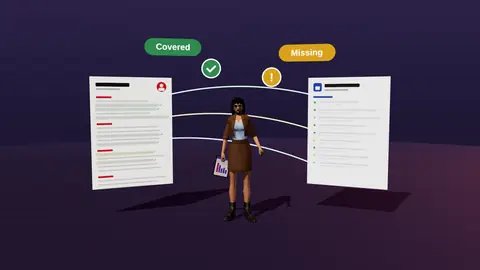
How-to guideResume vs job description: how to measure your match before you applyHow to compare a resume with a job description: a simple coverage method, what a match score can and cannot tell you, how to read the result and when to apply anyway.
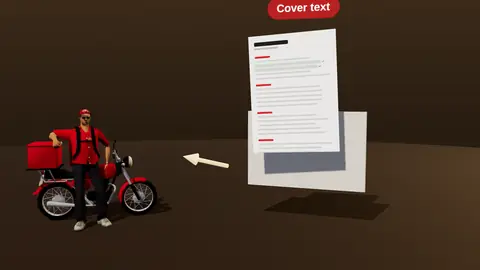
How-to guideHow to write a cover letter that gets readWrite a cover letter in four paragraphs: a hook tied to the vacancy, two proof points, why this company and a clear close. Includes a template, examples and mistakes to avoid.
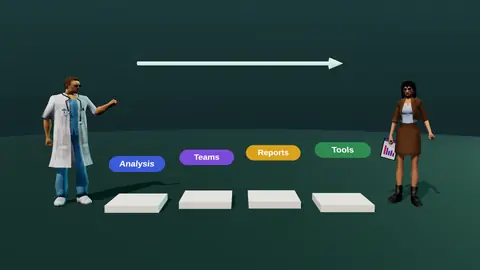
How-to guideHow to write a resume for a career changeA practical approach to a career-change resume: translate your experience into the new field's language, lead with transferable results, add proof projects and keep the standard format.
How-to guideHow many pages should a resume be?How long a resume should be by career stage and country: when one page is right, when two are fine, what to cut and how to keep length without shrinking fonts.

How-to guideHow to explain an employment gap on your resumeHonest ways to handle a gap in your work history: when to mention it, how to word it, what to put in the resume and cover letter and how to answer in an interview.

How-to guideHow to ask for a job referralHow to find the right person, what to send and how to ask for a referral without awkwardness: templates for colleagues, weak ties and strangers, plus follow-up and thank-you steps.
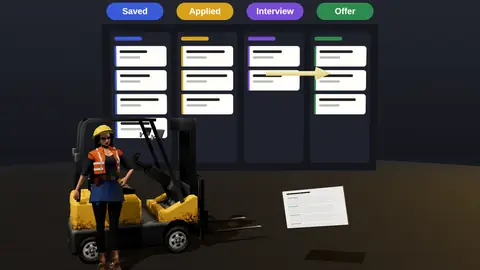
How-to guideHow to track job applications: a simple systemA practical system to track job applications: what to record, a status pipeline, follow-up rules, a spreadsheet template and how to learn from your results.
How-to guideHow to quantify resume achievements (even without numbers)Turn duties into results: where to find numbers, formulas for impact, how to estimate honestly, what to do in roles with no metrics and 12 before-and-after examples.
How-to guideHow to read a job descriptionDecode a job posting: separate must-haves from nice-to-haves and filler, spot seniority and scope signals, find hidden priorities and red flags, then turn it into a resume plan.
How-to guideHow to follow up after applying for a jobWhen and how to follow up on a job application: timing rules, email and LinkedIn templates for recruiters and hiring managers, after interviews and when to stop.
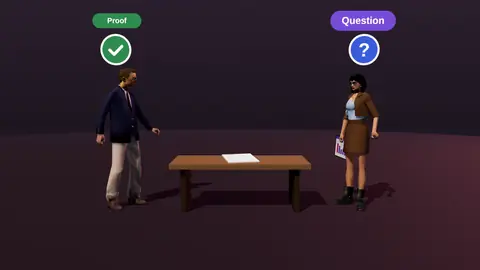
How-to guideHow to prepare for an interview using your resumeTurn your resume into interview prep: mark the likely questions, build three proof stories, prepare for gaps and weak spots, practise your 60-second pitch and ask smart questions.
How-to guideHow to write a resume with no work experienceWrite a strong first resume without a job history: lead with projects, education, volunteering and skills, use proof and numbers, and tailor it to the vacancy. Includes structure and examples.
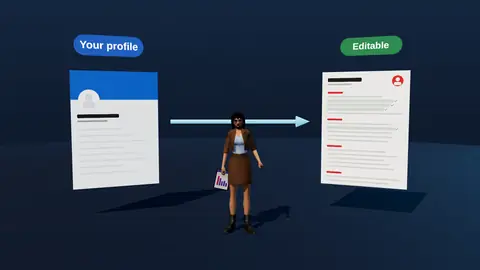
How-to guideHow to turn your LinkedIn profile into a resumeConvert your LinkedIn profile into a tailored resume: what to copy, what to rewrite, how to avoid a messy auto-export and how to keep both consistent.
What is…
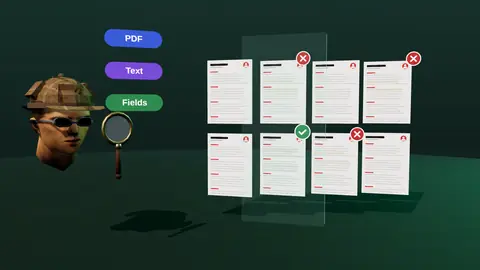
ExplainerATS resume checker: what applicant tracking systems actually readHow an ATS parses a resume, what makes a file unreadable, which ATS 'scores' are real, and how to check your resume against a specific job before you apply.
ExplainerWhat is an ATS? Applicant tracking systems explainedWhat an applicant tracking system is, how recruiters use it, what it does with your resume, which ATS products are common and what job seekers should (and should not) worry about.
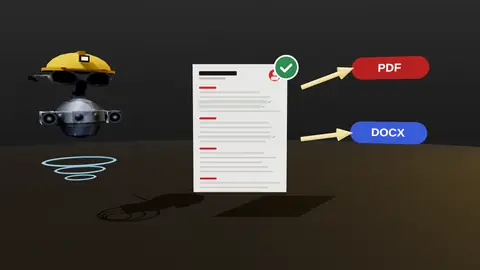
ExplainerPDF or DOCX for a resume: which format to sendShould a resume be a PDF or a Word file? Compare PDF and DOCX for ATS parsing, layout stability, recruiter editing and file naming, with simple rules for when to use each.
ExplainerResume action verbs: strong words by type of achievementA practical list of resume action verbs grouped by what you did: lead, build, improve, analyse, sell, support, plus weak phrases to replace and before-and-after bullet rewrites.
ExplainerWhat to put in the skills section of a resumeHow to write the skills section of a resume: which hard and soft skills to list, how to group and order them, how to show proficiency honestly, examples by role and what to leave out.
ExplainerCommon resume mistakes and how to fix themThe most frequent resume mistakes recruiters see: vague bullets, missing results, bad formatting, typos, wrong length, generic summaries and more, each with a quick fix.
ExplainerResume vs CV: the difference and which to useResume or CV? Learn how they differ by country, length and purpose (US, UK, EU, Italy, academia), what a Europass CV is, and which document to send for your application.
ExplainerWhat to include in a resume (and what to leave out)A complete checklist of resume sections in the right order: contact details, headline, summary, experience, skills, education, optional sections, plus what to leave out.
Why…
ExplainerDoes an ATS reject resumes? What really happens after you applyThe truth about automatic rejection: what ATS filters and knockout questions do, why your resume may not be seen, and what to do about it. No myths, no hidden-keyword tricks.
ExplainerWhy am I not getting interviews? Nine causes and fixesDiagnose why your applications get no replies: match, visibility, targeting, format, channel, timing and screening answers, with a quick test for each and what to change.
Where…
GuideWhere to put keywords on a resumeThe best places for resume keywords: headline, summary, experience bullets, skills and titles. Learn how to place each term with context so it helps both search and human readers.
GuideWhere to find jobs: ten channels that actually workWhere to look for jobs beyond the big boards: company career pages, LinkedIn, niche boards, recruiters, referrals, communities, alerts and speculative applications, with how to use each.
Try it on a real vacancy
Check your resume against a job description for $1.