Can an ATS read tables, columns, images and PDFs?
Applicant tracking systems differ, and they improve every year, but they share one weak point: they must turn your file into plain text before anyone can search it. Anything that makes that conversion ambiguous puts your facts at risk. Here are direct answers to the questions job seekers ask most, and a simple way to test your own file.
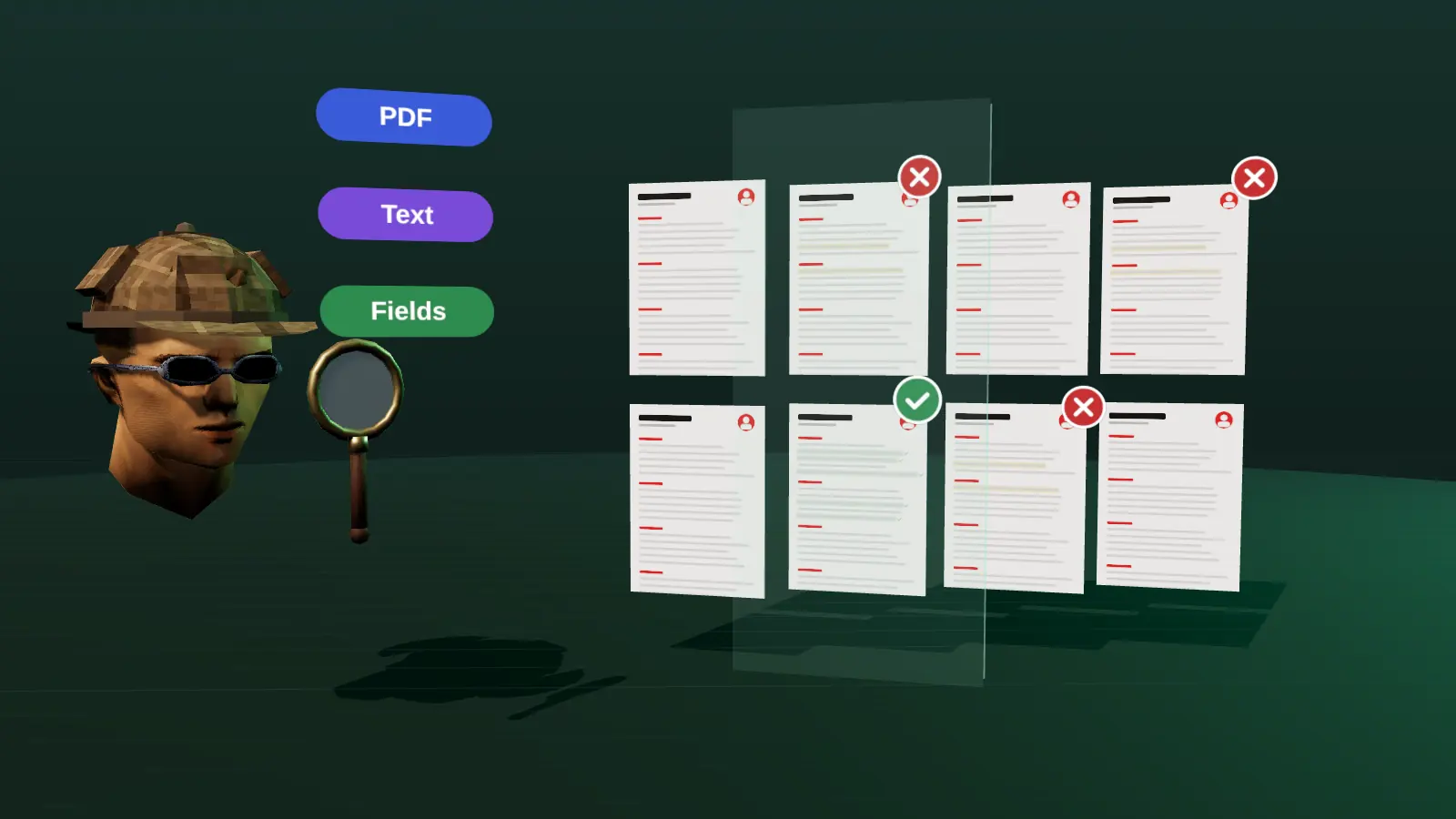
- Text-based PDFs and DOCX files are read by modern systems.
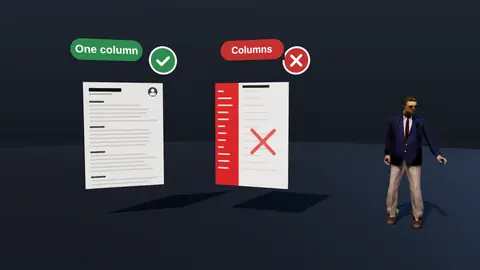
- Columns are fine when the text is stored in reading order; tables, text boxes and interleaved sidebars are what scramble it.
- Text inside images and page headers is often lost.
- Most rejections come from missing requirements or knockout questions, not from formatting alone.
Quick answers
| Question | Short answer |
|---|---|
| Can ATS read PDF resumes? | Yes, if the PDF is text-based, not scanned |
| Can ATS read tables? | Often, but rows and cells may be read in the wrong order |
| Can ATS read columns? | Modern ones usually can, if the main column comes first in the file |
| Do ATS read images? | No. Text inside images and logos is ignored |
| Do ATS read headers and footers? | Some skip them; keep contacts in the body |
| Do ATS read hyperlinks? | The visible text yes; write the full URL |
| Do all companies use an ATS? | Most mid-size and large employers do; many small ones use email or simple forms |
Do columns really break ATS? What the tests show
The old advice to always use one column comes from rule-based parsers that read straight across the page. The evidence today is more nuanced:
- Parser vendors: Textkernel, whose engine runs inside many applicant tracking systems, says about 10 to 15% of CVs use columns. After a model update its column detection rose from 60% to 82% accuracy, and correctly rendered column CVs went from 62% to 90% (Textkernel).
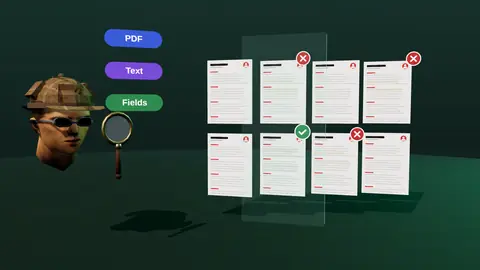
- Independent test: one resume rendered in 36 layouts and run through Zoho Recruit, Workable and Textkernel. Two-column layouts were not worse by default. Parsing broke when sidebar text was interleaved with the main column in the PDF; when the main column was written first, the sidebar parsed as well as a one-column layout (Resumap test).
- Our test of JobAny's 20 templates: we exported the same resume in every template and extracted the text. In all 20 the file stores text in reading order: every job and bullet in sequence, nothing from the sidebar inside the work history. When the order is instead rebuilt from positions on the page, as some older parsers do, 6 templates stayed clean and 14 placed a sidebar block between two jobs.
So the number of columns is not the risk. The order of text inside the file is. Tables, text boxes, text inside images and contacts in the page header remain real problems in any layout.
What about AI screening?
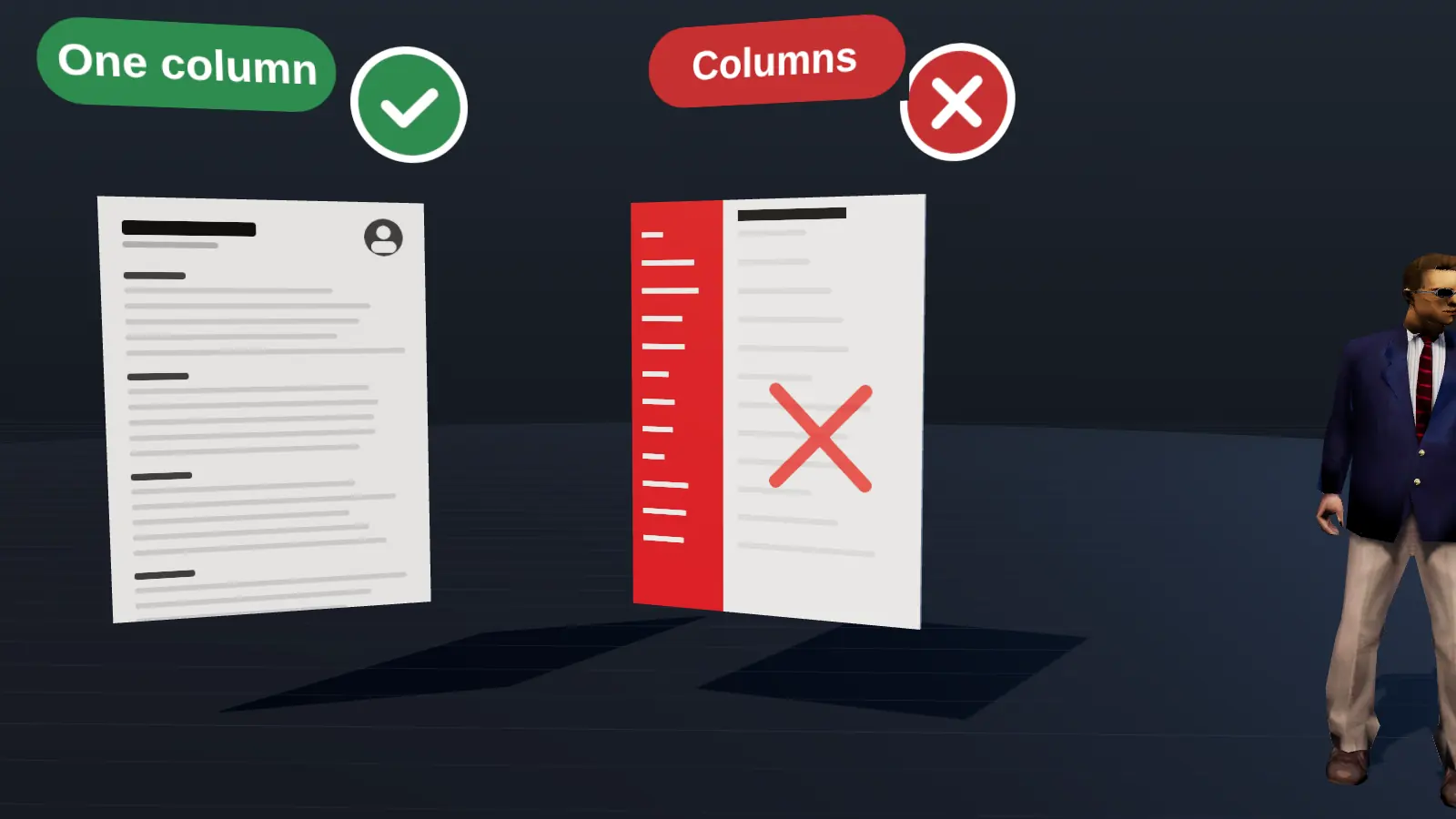
Systems that use language models to read resumes still start from extracted text. If that text comes out in reading order, a model does not care whether it was one column or three. If extraction interleaves a sidebar with your jobs, the model receives mixed text too, and a skill can end up attributed to the wrong role. The safe rule is the same for software and AI: the main content first, short items in the sidebar, real text, and a quick copy-paste test.
For an employer that may still run an older parser, export the same resume in a single-column template such as ATS Clean. For a referral, an email or a recruiter who opens the PDF, a designed two-column layout is fine.
JobAny reads your actual PDF or DOCX and shows the extracted order of text, section by section.
How an ATS parses a resume
The system extracts the text, then tries to recognise sections and fields: name, contacts, job titles, employers, dates, education and skills. Recruiters then search and filter those fields, for example by title, skill or location. If extraction mixes your job title with the dates of another job, the record is wrong even though your file looks fine. More: what is an ATS.
Common ATS resume rejection reasons
- Knockout questions: work authorisation, location, required licence or years of experience.
- The main requirements of the vacancy are not visible in the resume, even when you have them.
- The job title is far from the vacancy's title.
- Key text lost in images or headers, or scrambled by tables, text boxes or an interleaved sidebar.
- Applying to many roles in the same company with different resumes, which some recruiters notice.
Automatic rejections usually come from knockout questions; formatting problems more often make you hard to find than reject you outright. See does ATS reject resumes.
ATS resume best practices
- Text in reading order, standard section names, common font.
- Contacts in the body text, not in the page header.
- The vacancy's exact wording for skills you actually have.
- Each key skill shown in a bullet with context, not only in a skills list.
- Dates in one format; job titles on their own line.
- A text-based PDF or DOCX, named with your name.
Copy a ready layout from the ATS resume template.
How to improve an ATS resume without keyword stuffing
Keyword stuffing, such as pasting the job description in white text or repeating a term ten times, may raise a crude score but fails the human reader, and many recruiters treat it as a red flag. Instead:
- List the vacancy's top requirements.
- For each one you truly have, find the bullet that proves it.
- Reword that bullet using the vacancy's term once, naturally.
- Add a skills line for tools and methods.
- Leave real gaps as gaps and address them in the cover letter if needed.
Did reporting for the sales team.
Built weekly sales dashboards in Power BI for a 30-person team, replacing manual Excel reports.
Can you check your actual ATS score?
No outside tool can see the score inside a specific employer's system, because each system and each recruiter's search is different. What you can check is what matters: whether your file extracts cleanly and how many of the vacancy's requirements your resume visibly covers. JobAny's ATS resume checker shows both for a real vacancy.
Check your file and your match in one go
Add your resume and a job link: parsing check plus a requirement-by-requirement match. Start costs $1, no subscription.
Frequently asked questions
Do resume templates pass ATS?
Templates whose text comes out in reading order do, with one or two columns. Templates with icons, tables, skill charts or interleaved sidebars often lose or scramble text.
How do I test if an ATS can read my resume?
Copy all text from your final file into a plain editor and check that the order and sections are intact, or use a checker that reads the file.
What happens to my resume after I apply?
It is stored in the employer's system, parsed into fields and either reviewed by a recruiter, filtered by knockout questions or found later through searches.
Can ATS read bold and italic text?
Yes. Text styling is not a problem; layout structures are.
Should I write the job title exactly as in the vacancy?
If it honestly describes your role, use the vacancy's wording; recruiters often search by title.
Keep reading