How to prepare for an interview using your resume
Your resume is the interviewer's script. They will pick bullets and ask about them. Preparing from your own document is the most efficient way to rehearse because it shows exactly what you are going to be asked. Here is a practical plan for the day or two before.
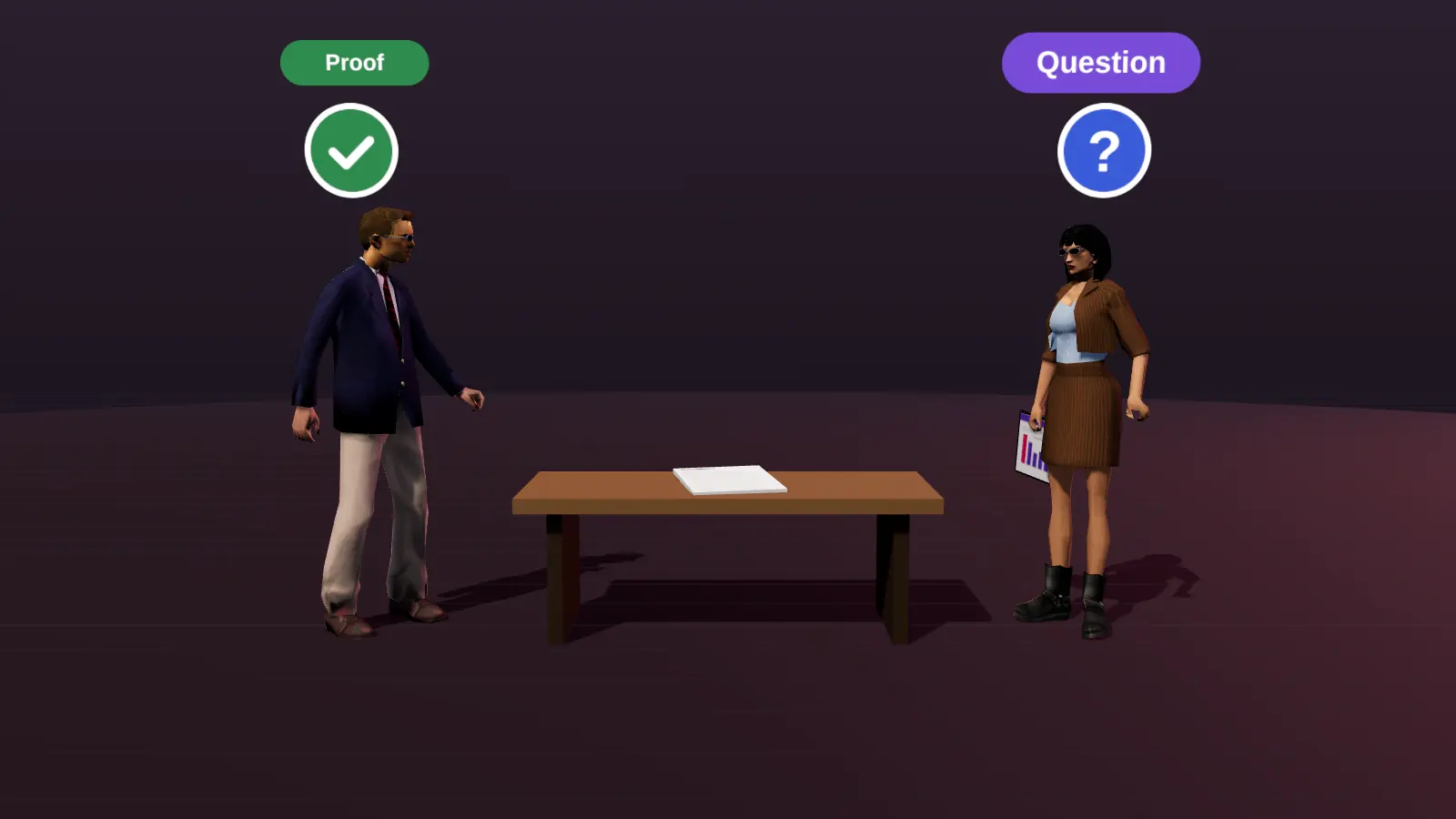
- Mark every bullet an interviewer could ask about and prepare the story behind it.
- Build three proof stories: problem, action, result, learning.
- Prepare honest answers for gaps, short tenures and missing skills.
- Practise a 60-second pitch tied to the vacancy and prepare questions for them.
Step 1: print the resume and the vacancy
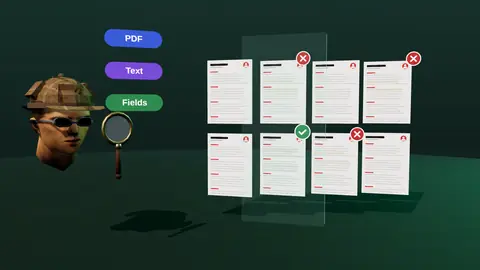
Put the vacancy next to your resume. Underline the five most important requirements and the matching bullets. Those are the likeliest topics. Anything on your resume is fair game, including tools you listed, so check each claim.
Step 2: expect a question for every bullet
- What exactly did you do, and what was your role versus the team's?
- How did you measure the result?
- What would you do differently?
- What was hardest, and how did you handle it?
- What did you learn and use afterwards?
If you cannot answer in two or three sentences, the bullet is a risk: be ready or reword it.
Step 3: build three proof stories
Choose three stories that show the vacancy's top requirements. Use a simple structure:
- Situation: context in one sentence.
- Task and action: what you were responsible for and what you did.
- Result: the outcome with a number if possible.
- Learning: what you took from it.
One story can often answer several questions (conflict, initiative, failure) if you prepare it well.
Paste a job link, add your resume and get a requirement-by-requirement report.
Step 4: prepare the uncomfortable questions
| Weak spot | Approach |
|---|---|
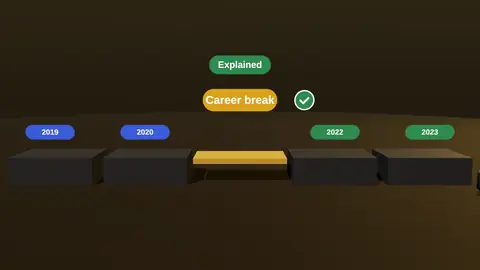
| Employment gap | A calm 20-second answer: what happened, what you did, why you are ready (gap guide) |
| Short tenure | Explain context briefly (contract, restructuring) and what you delivered |
| Missing skill | Be honest, show closest experience and a learning plan |
| Career change | Link transferable results to the role (guide) |
| Salary expectations | Research the range and answer with a range plus flexibility |
Step 5: prepare your 60-second pitch
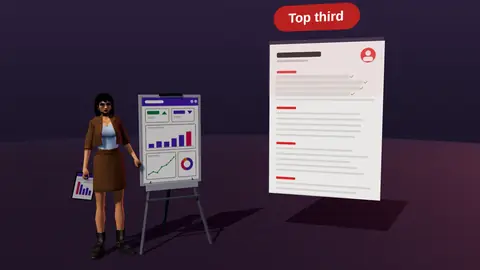
Answer "tell me about yourself" with the summary formula spoken aloud: who you are, your strongest relevant experience, two proof points and why this role. Rehearse it until it sounds natural, not memorised.
I have worked in lots of different areas and am a fast learner.
I'm a product analyst with five years in B2C mobile. I built the reporting and ran the A/B tests behind our onboarding rework, which lifted day-7 retention from 21% to 27%. I'm interested in your role because it combines experimentation with a smaller team where analysts influence the roadmap.
Question types to expect, based on the resume
| Type | Typical question | Prepare |
|---|---|---|
| Verification | Walk me through this project | Context, your role, steps, result |
| Depth | Why did you choose that approach? | Alternatives and trade-offs |
| Behavioural | Tell me about a conflict | One story with action and learning |
| Motivation | Why this role and company? | Specific reasons tied to their work |
| Gaps and changes | Why did you leave? | A brief, positive, honest answer |
The first five minutes
Most interviews begin with some version of "tell me about yourself". Treat it as your pitch: present role, strongest relevant result, why you are interested here. Aim for about sixty seconds. Practise out loud and time yourself, because written text and spoken text differ. End with a sentence that hands the floor back, such as "I'd be glad to go deeper on the retention project if useful."
Preparing for technical or case questions
- Review the tools named on your resume and in the vacancy; expect questions on each.
- Prepare one worked example of each major skill, with numbers.
- If a case or test is likely, practise a short one under time pressure.
- Prepare to explain trade-offs, not only results.
The day before and the day of
- Print the resume and the vacancy; mark the top five requirements.
- Research the company: product, recent news, competitors.
- Prepare three questions that show you did your homework.
- Test your tech and your route; plan to arrive or log in early.
- After the interview, write notes and send a thank-you within 24 hours.
Step 6: prepare questions for them
- What does success look like in the first 90 days?
- How does the team make decisions, and how do analysts or specialists influence them?
- What are the biggest challenges the team faces?
- What does the process look like after this interview?
Take notes. After the interview send a thank-you with one relevant addition (follow-up guide).
Check your resume against a real vacancy
Add your resume and a job link. JobAny shows which requirements are covered, what is missing, what a recruiter sees first and whether the file reads cleanly. Start costs $1, no subscription.
Frequently asked questions
How long should I prepare?
One to two hours for a screen; half a day for a final round.
Should I memorise answers?
Memorise structure and key numbers, not scripts.
Can I bring my resume to the interview?
Yes, a printed copy is fine, and it shows you are prepared.
What if they ask about a skill I listed but barely used?
Be honest about your level and what you have done with it. Remove or relabel it next time.
How do I answer a question about weaknesses?
Name a real, non-critical one and show how you manage it.
How do I answer questions about a skill I barely used?
State your actual level honestly, share what you did, and say how you would grow it.
Should I rehearse with another person?
Yes, even one mock interview helps.
What should I wear or prepare for video?
A neutral background, good light, and notes beside the camera.
How do I handle salary questions?
Research the range and answer with a range plus flexibility.
Keep reading