How to write a resume for a career change
When you change fields, your problem is not a lack of experience. It is that your experience is described in the old field's words. A career-change resume translates it, shows evidence that you can do the new work and keeps the structure recruiters expect.
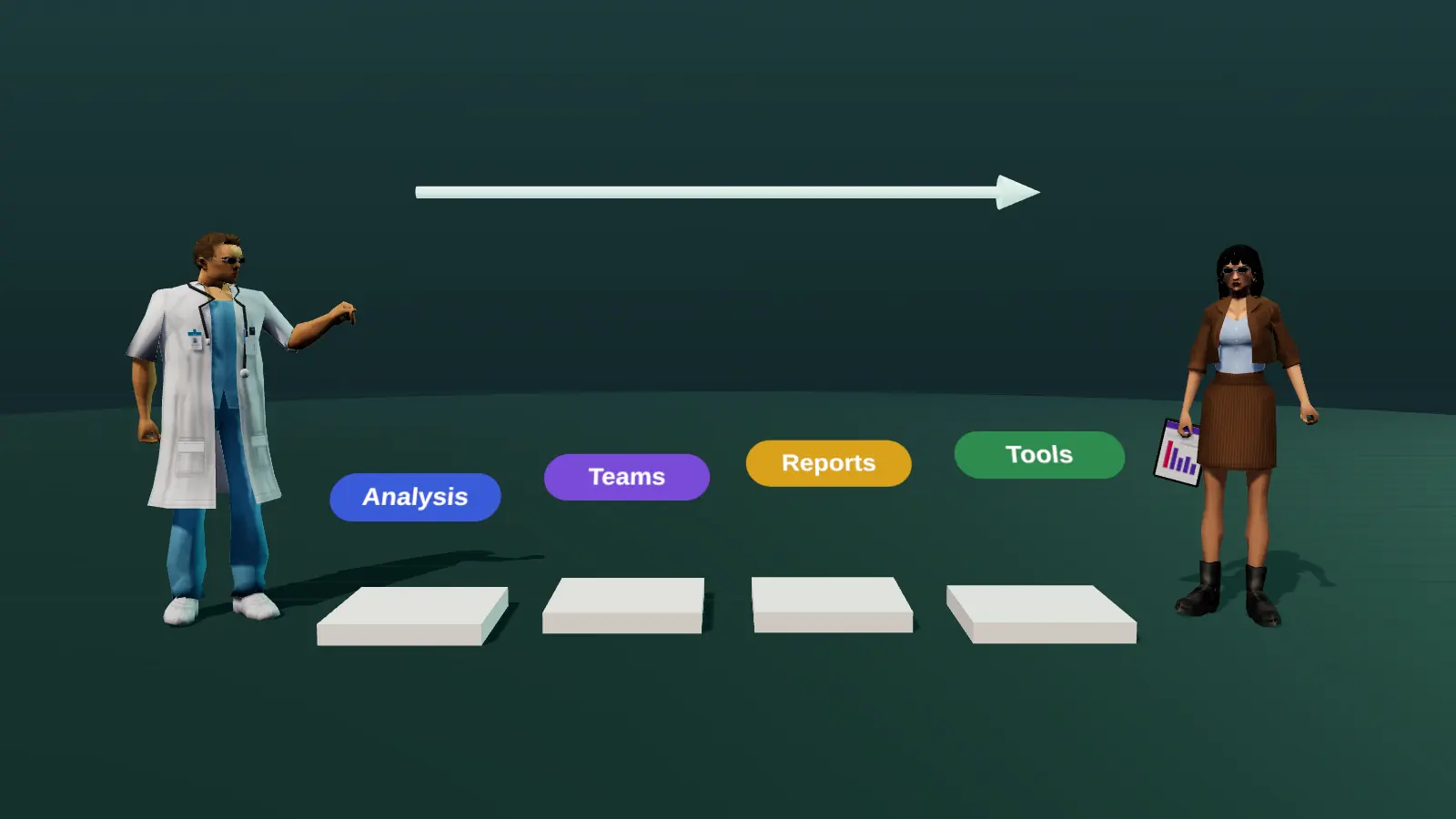
- Keep reverse-chronological format; change what you emphasise, not the structure.
- Translate old achievements into the new field's vocabulary.
- Lead with transferable results and add one or two proof projects or courses.
- Say plainly in the summary where you are heading and why you fit.
Why career-change resumes fail
Three patterns repeat. The resume still reads like the old career, so a recruiter in the new field sees no match. The summary talks about passion for change instead of evidence. And the writer apologises for lack of experience instead of showing relevant results. Fixing these is mostly translation and selection.
Step 1: map old skills to the new role
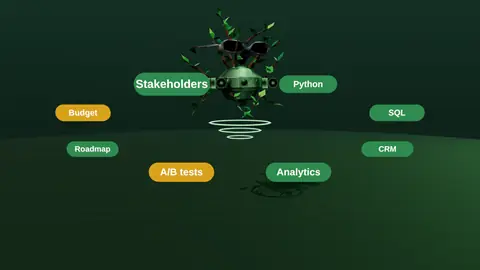
Take three target vacancies and list their recurring requirements. Beside each, write what you have done that is similar, even if it was in another industry.
| New-field requirement | Your past evidence | How to phrase it |
|---|---|---|
| Stakeholder communication | Taught groups of 25 and met parents weekly | Presented progress reports to 40+ stakeholders each term |
| Data-informed decisions | Tracked class results and adapted lessons | Analysed assessment data to redesign curriculum; lifted average scores 12% |
| Process improvement | Created a new homework system | Designed and rolled out a workflow used by 6 teachers |
| Project coordination | Organised school events | Coordinated a 3-month event programme with a 15-person team and a fixed budget |
Keep it honest: you are re-describing real work, not adding fake jobs.
Step 2: keep the standard structure
Use reverse chronological order. Functional resumes that hide employment history raise suspicion and parse poorly. Instead, change emphasis: lead each role's bullets with transferable results, and trim details that only matter in the old field.
Paste a job link, add your resume and get a requirement-by-requirement report.
Step 3: write a summary that says where you are going
Teacher with 8 years of experience seeking new opportunities.
Former secondary-school teacher moving into learning and development. Eight years of designing and delivering training for groups of 25, plus a certificate in instructional design and a volunteer project that onboarded 60 staff at a local NGO.
The summary should state the target role, the bridge (transferable strengths) and one proof point from the new field if you have it.
Step 4: add proof from the new field
Evidence of intent beats claims. Choose what fits your time:
- A short course or certificate relevant to the new role.
- A portfolio project, case study or open-source contribution.
- Volunteer or freelance work that uses the new skills.
- A side project with measurable results.
- Internal projects in your current job that touched the new field.
Put these in a Projects or Training section near the top if your paid experience is far from the target.
Step 5: tailor each application
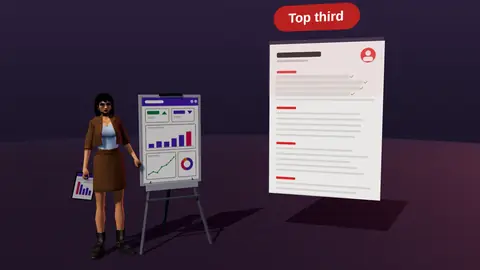
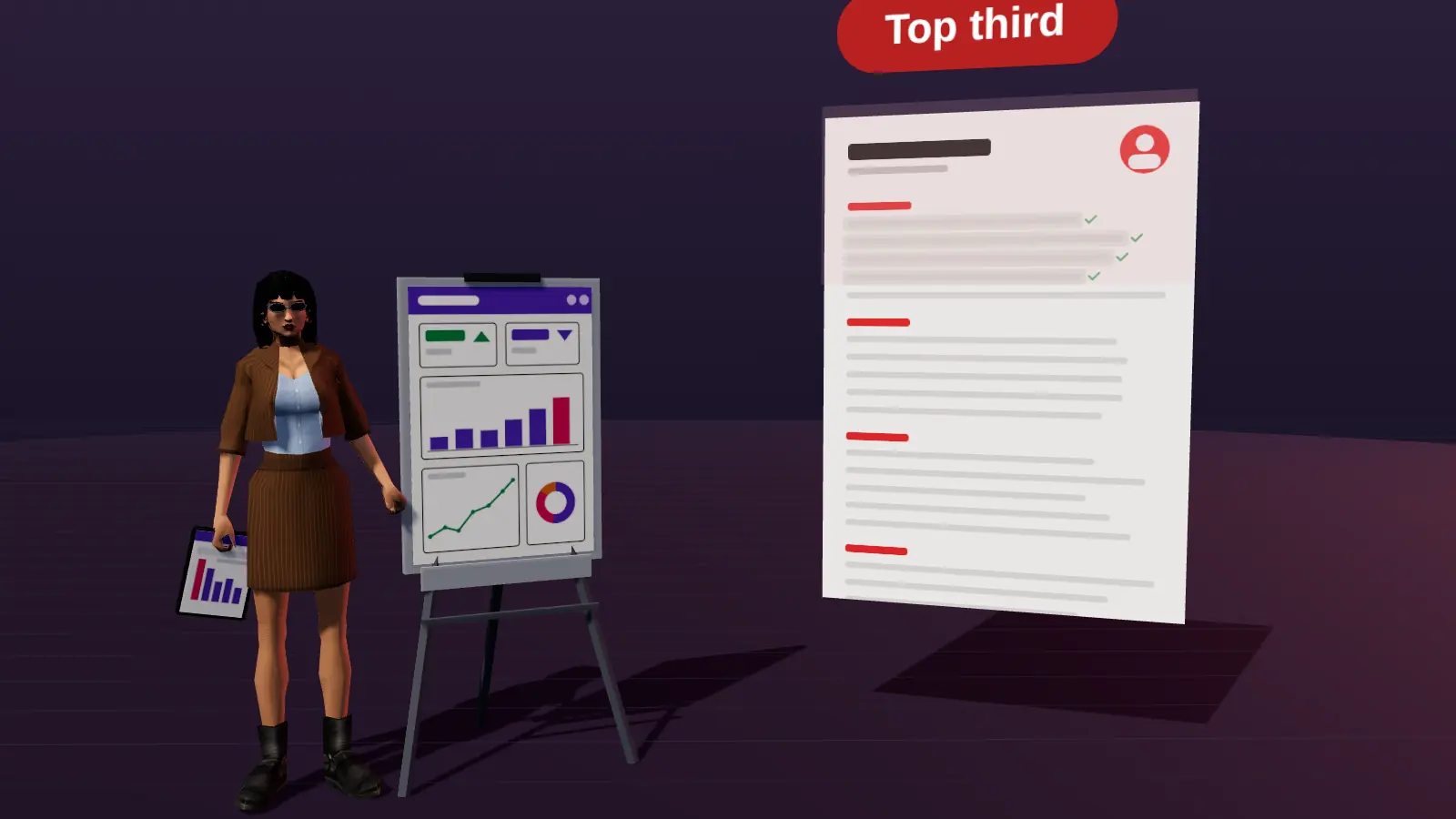
Career changers benefit more than anyone from tailoring because the match is not obvious. For each vacancy, mark requirements as covered, hidden or missing and put the best translated evidence in the top third of page one. See how to tailor your resume. Add a short cover letter that explains the move in two sentences (how).
Map your transferable skills
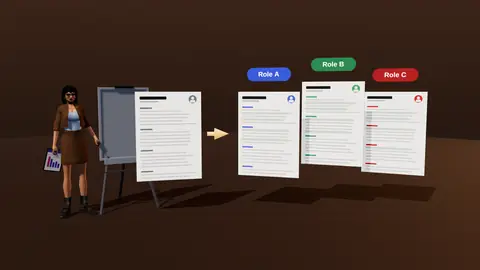
List what you did in your old career, then translate each item into the new field's language. A teacher managing 30 students and parent communication has classroom leadership, stakeholder communication and curriculum design. A retail manager has inventory analysis, team scheduling and customer insight. Look at the vacancy and find the overlaps; those become your bullets.
| Old experience | Transferable skill | New field |
|---|---|---|
| Teaching | Training design, presenting, assessment | Learning and development |
| Retail management | Forecasting, scheduling, customer analytics | Operations or analytics |
| Journalism | Research, writing, deadlines | Content marketing |
Structure that works for a switch
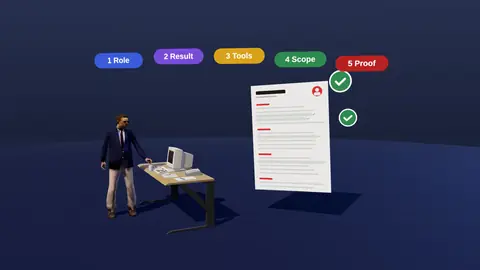
- Headline naming the target role, not the old one.
- Summary linking your background to the new direction.
- Relevant projects, courses or certifications near the top.
- Experience rewritten around transferable results.
- Skills with the new field's tools.
Close the gap with proof
A career change is credible when you show action: a course with a finished project, freelance work, volunteering in the field, or an internal move. Add a short project section with what you built, the tools and the outcome. Even a small, real project beats a list of intentions.
Explain it in one honest sentence
In the summary and cover letter, state the switch plainly: After eight years in logistics, I moved into data analysis, completing a certified SQL and Python programme and building a delivery-time dashboard that cut late shipments by 12% at my current company. Then prepare the same story for interviews (preparation). For entry-level wording see resume with no experience.
Step 6: use people, not just forms
Cold applications are hard for career changers because filters look for direct experience. Warm routes work better: former colleagues who moved, alumni in the new field, communities and short informational chats. See how to ask for a referral and JobAny's warm intro finder.
Check your resume against a real vacancy
Add your resume and a job link. JobAny shows which requirements are covered, what is missing, what a recruiter sees first and whether the file reads cleanly. Start costs $1, no subscription.
Frequently asked questions
Should I use a functional resume for a career change?
Usually no. It hides dates, raises doubts and parses badly. Use reverse chronological with transferable emphasis.
How do I explain the change in the resume?
In a two-line summary that names the target role and the bridge. Leave the longer story for the cover letter.
Do I list old unrelated jobs?
Yes if recent, but shorten them to the transferable results. Very old, unrelated roles can be one line.
What if I have no experience in the new field?
Add courses, projects and volunteer work, and aim for entry or bridge roles. See the no-experience guide.
Is a career-change cover letter needed?
It helps. Two or three sentences on why you are moving and what you bring can decide the first screen.
How many applications will I need?
More than average, because filters favour direct experience. Focus on tailored applications and referrals instead of volume.
Should I hide my old career?
No; present it as relevant context and focus on transferable results.
Do I need a certificate?
Not always, but a course with a finished project helps.
Will I take a pay cut?
Often possible at the start; research the market.
Should I use a functional resume?
A chronological format with a strong summary usually parses and reads better.
Keep reading