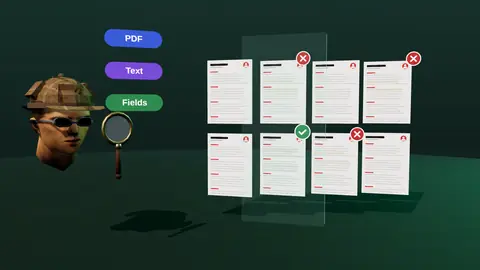
Why am I not getting interviews? Nine causes and fixes
Silence after many applications is demoralising, and it is rarely random. Usually one or two fixable problems explain most of it. This guide helps you find which one by looking at where your applications stall, then gives a specific fix for each cause.
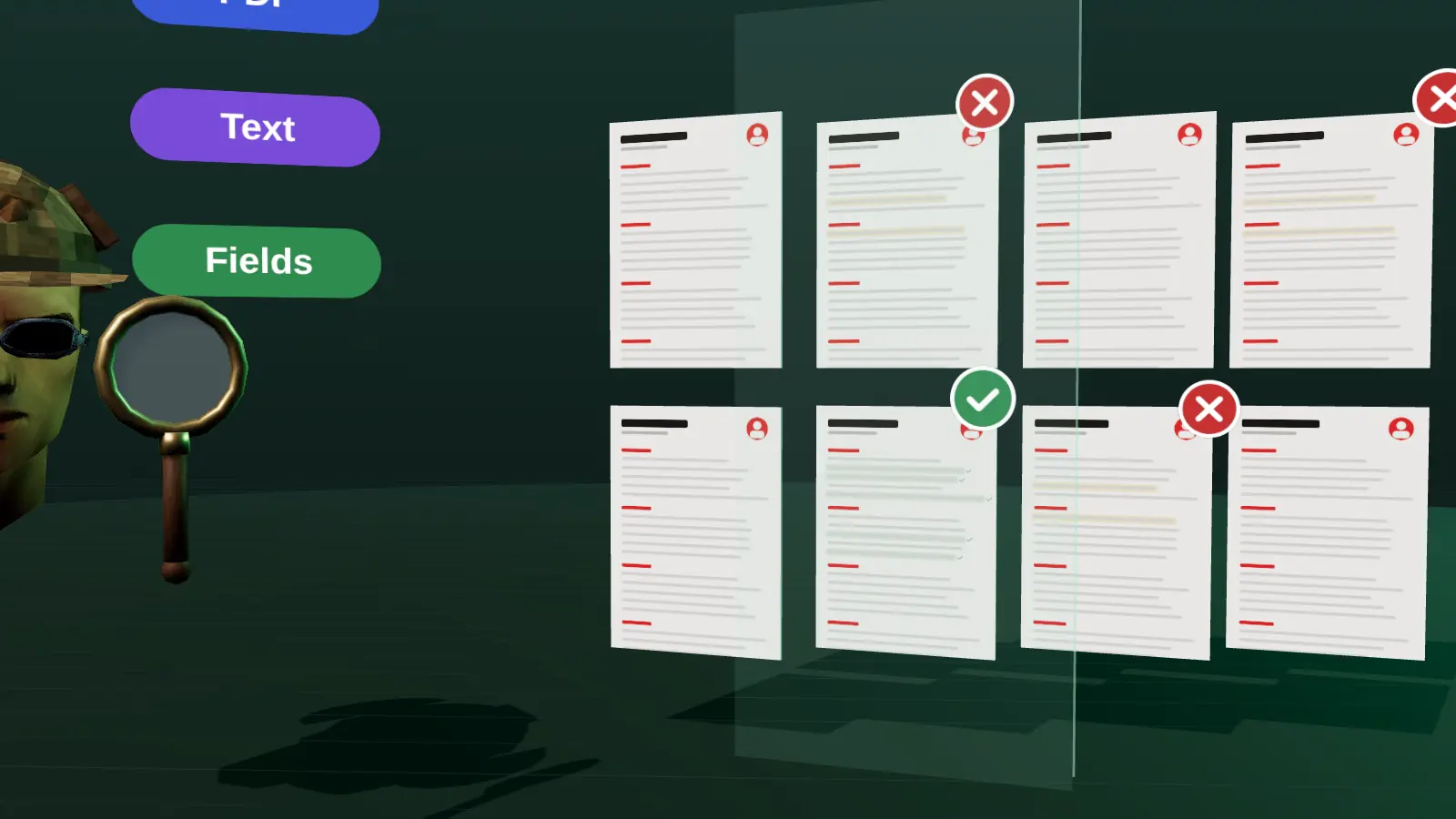
- Check where applications stall: no reply, after screen or after interview.
- No replies usually means match, visibility, targeting or channel.
- Fix one thing at a time and track results.
- A referral or a direct message often beats resubmitting the same resume.
First, find where it stalls
| Where you stall | Most likely area | Go to |
|---|---|---|
| No reply at all | Match, visibility, targeting, channel | Causes 1 to 6 |
| Recruiter screen, no next step | Story, expectations, pay or authorisation mismatch | Causes 7 and 8 |
| Interviews, no offers | Preparation and fit evidence | Cause 9 |
You need a record to see this: a simple application tracker with dates, channels and resume versions.
1. The resume does not show the match
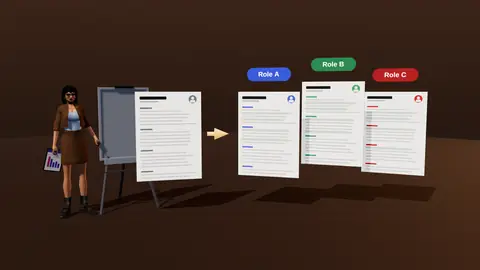
A recruiter spends seconds on page one. If the vacancy's main requirements are not visible there, you lose, even if you have the experience. Fix: rewrite the headline, summary and first role for the vacancy and move the strongest evidence up (tailoring). Test it: ask someone to read only the first third and name your role, tools and best result.

2. You are applying to the wrong roles
If you meet few must-haves, filters and humans will pass. Fix: measure match before applying (how) and focus on roles where the core is covered.
Paste a job link, add your resume and get a requirement-by-requirement report.
3. The file does not parse cleanly
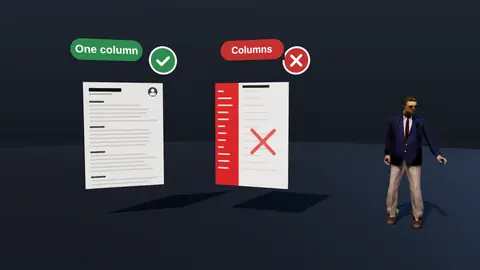
Columns, tables, icons or image text can scramble your data. Fix: use a single-column layout with real text and test by copying the PDF text (ATS check).
4. You are one of hundreds and apply late
Popular roles collect hundreds of applications quickly and many reviews happen early. Fix: set alerts, apply in the first days and avoid the most crowded postings unless you have an edge.
5. You use only the front door
Cold applications through a portal have the lowest response rates. Fix: add a human route to every application you care about: referral, a note to the recruiter or hiring manager, an alumni contact (how).
6. Screening answers filter you out
Questions on location, authorisation, salary or notice period can auto-flag. Fix: read the constraints before applying and answer truthfully; if salary is flexible, say so.
7. Your story does not convince at the screen
If calls end without a next step, the recruiter may not see a clear fit. Fix: prepare a 60-second pitch that links two requirements to two proof points, and be specific about why this role (prepare from your resume).
8. Expectations do not align
Salary, seniority, location or availability may be off. Fix: research ranges, and state flexibility where it exists.
9. Interviews do not turn into offers
This is a preparation and evidence issue: vague answers, no numbers, weak examples. Fix: rehearse three stories (problem, action, result) tied to the vacancy's top requirements and ask for feedback after each interview.
Benchmarks to judge your own search
Response rates vary by market and level, but as a rough guide, a well-targeted application with a tailored resume often draws a reply in one out of five to ten applications, and referrals do much better. If you have sent thirty or more targeted applications with almost no replies, something structural is wrong: the match, the file, the targeting or the channel. Use your tracker to check the numbers before you change anything.
A diagnostic checklist
- Can a stranger name my role, tools and best result from the top third?
- Does the text paste in order from my PDF?
- Do I meet most must-haves for the roles I apply to?
- Am I applying in the first few days of a posting?
- Do I add a human route to my top ten targets?
- Are my screening answers consistent with the requirements?
Each no points to a fix in the nine causes above.
Common patterns and what they imply
| Pattern | Likely issue |
|---|---|
| Replies only from referrals | Cold resume does not show the match |
| Screens but no second round | Story or expectations mismatch |
| Many auto-rejections within hours | Knockout answers or location and authorisation rules |
| Silence on every application | Format, targeting or timing |
Change one variable at a time
If you rewrite everything at once, you will not know what worked. Change the resume top third for a batch of ten applications, then compare replies with the previous batch. Next change the channel or timing. Track every batch and keep the better version. Small controlled experiments beat a weekly full rewrite. See resume mistakes and tailoring.
A two-week reset plan
- Week 1: choose 10 target roles where the core must-haves are covered. Tailor the resume for each and add a human route to at least five.
- Week 1: track every application with channel, resume version and date.
- Week 2: follow up on those more than 7 days old (how).
- Week 2: review replies by channel and version and double down on what works.
JobAny speeds up the repetitive parts: analysis of your resume against each vacancy, tailoring, referral paths and tracking. See resume analysis.
Check your resume against a real vacancy
Add your resume and a job link. JobAny shows which requirements are covered, what is missing, what a recruiter sees first and whether the file reads cleanly. Start costs $1, no subscription.
Frequently asked questions
How many applications before an interview is normal?
It varies by market and role. If you have sent 20 to 30 well-targeted applications with no replies, something in match, format or channel needs to change.
Is my resume the problem?
Often, but not always. Check match, file readability, targeting and channel before rewriting everything.
Does applying through LinkedIn Easy Apply work worse?
Quick-apply routes attract high volume, which can lower response rates. Pair them with a direct message where you can.
Should I follow up?
Yes, once after about a week; keep it short and specific.
Could I be overqualified?
Possible. Address it in the summary and cover letter by explaining why you want this scope.
Should I redo my entire resume?
Only after diagnosing; often the top third and targeting are enough.
Is the market just bad?
Markets vary, but your match, format and channel are still the levers you control.
How long before I should worry?
After about thirty targeted applications with no replies.
Can a coach help?
A second pair of eyes can help, especially for career changes.
Keep reading