Should you apply if you don't meet all the requirements?
Job descriptions are wish lists written by busy people. Few hires tick every line. The useful question is not whether you meet everything, but whether you meet the requirements that actually decide the hire, and whether your resume shows it. Here is a simple way to decide in five minutes.
- Separate must-haves (licences, legal, core skills) from nice-to-haves.
- Apply if you clearly meet the must-haves and most of the rest.
- Do not apply when a legal or licence requirement is missing.
- Address one real gap honestly in the cover letter.
The short rule
| Your match | Decision |
|---|---|
| All must-haves and most nice-to-haves | Apply |
| All must-haves, few nice-to-haves | Apply with a tailored resume and a short cover letter |
| One must-have is a skill you are close to | Apply if you can show a near equivalent; explain it |
| A legal or licence requirement is missing | Do not apply |
| Half the must-haves missing | Skip and look for a better-fitting role |
How to tell must-haves from nice-to-haves
- Words like required, must, minimum, essential mark must-haves.
- Preferred, a plus, ideally, bonus mark nice-to-haves.
- Requirements listed first or repeated in several places matter more.
- Licences, certifications and work authorisation are usually firm.
- Years of experience are often flexible if the level of work matches.
A full method: how to read a job description.
Count what you can prove, not what you could do
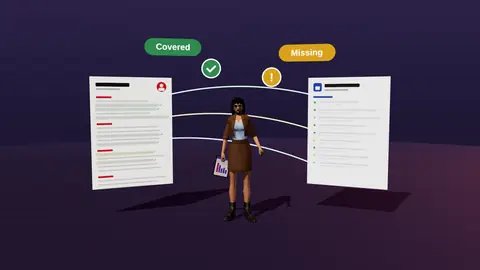
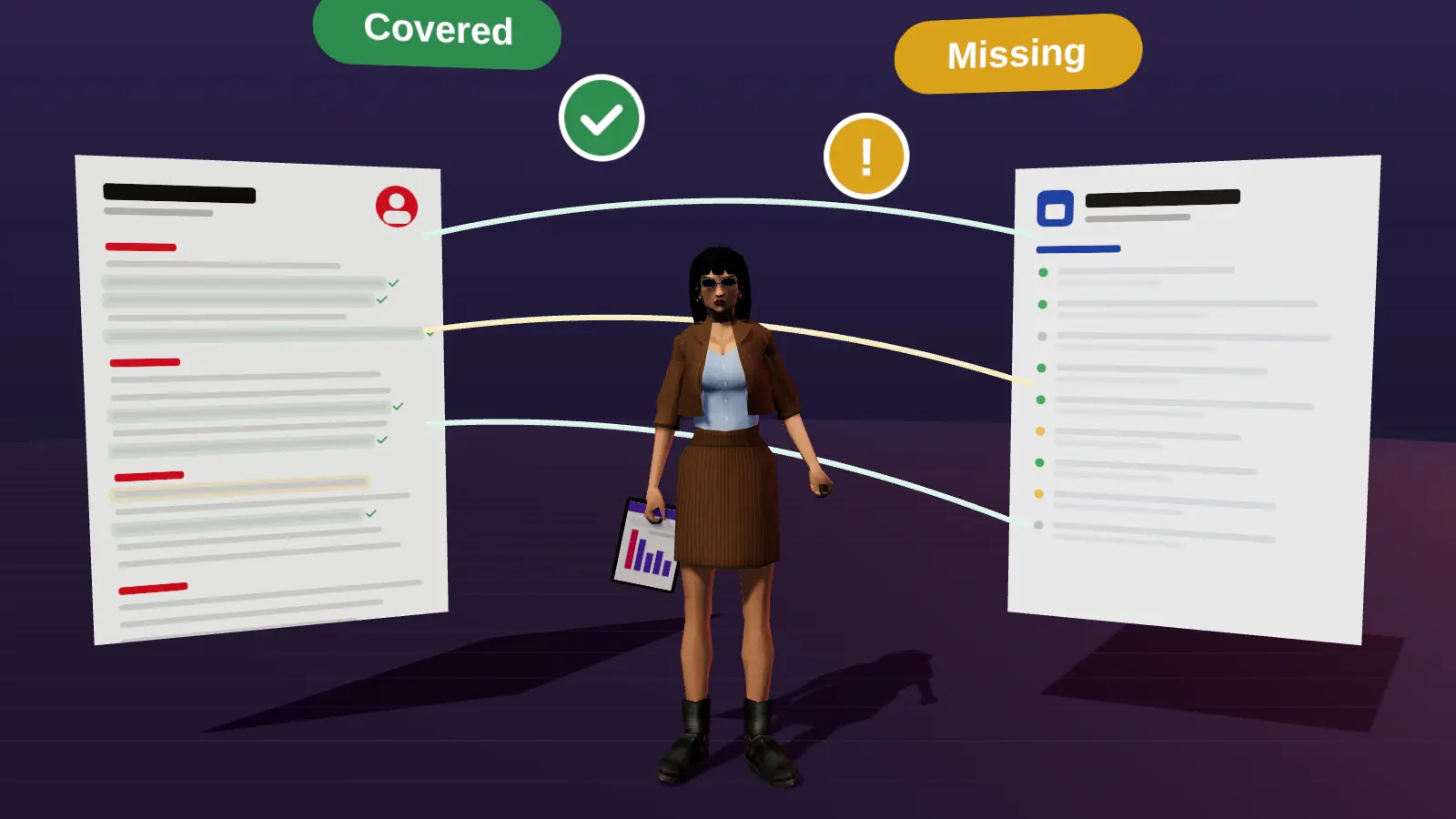
Go through the must-haves and mark each one: covered with a clear example, covered but not visible on your resume yet, or not covered. The middle group is the opportunity: you are qualified but your resume does not say so. Fix that before applying.
Vacancy: experience managing vendor relationships. Resume: Handled purchasing.
Managed contracts and weekly calls with 6 suppliers, renegotiating terms to cut costs by 8%.
JobAny's vacancy analysis does this mapping for you and marks covered, hidden and missing requirements. See what a job match score means and why it is a guide, not a verdict.
Paste the job link: JobAny marks each requirement as covered, hidden or missing in your resume.
What a job match score does and does not mean
A match score summarises how many requirements your resume visibly covers. A high score means the resume is easy to shortlist. A low score can mean you do not fit, or that you fit but your resume hides it. It cannot measure motivation, references or the hiring manager's flexibility.
How to address a gap
- Show the nearest equivalent: a similar tool, a related project, a course in progress.
- Mention it once in the cover letter, briefly and without apology.
- Prepare a short answer for the interview about how you would close it.
- Never claim the skill on the resume if you do not have it.
You ask for Tableau; I build my reporting in Power BI and have used Tableau on two course projects, so I expect to be productive with it within the first weeks.
Signs you should apply anyway
- You meet the core of the job and the gaps are tools or years.
- You have a referral or contact at the company.
- The posting is old or reposted, which often signals flexibility.
- The company is small, where roles are shaped around people.
- The job is a step up and you have done parts of it already.
And track your results: if many applications to stretch roles get no reply, adjust the level you target. See why am I not getting interviews.
Decide in a minute, not an evening
Add your resume and the vacancy and see which must-haves you prove and which gaps are real. Start costs $1.
Frequently asked questions
Should I apply if I meet 60% of the requirements?
If the 60% includes the must-haves, yes. If key must-haves are missing, look for a better-fitting role.
How do I know if I am qualified for a job?
Mark each must-have as covered, hidden or missing. If the must-haves are covered or close, you are qualified enough to apply.
Do recruiters ignore applicants who lack one requirement?
Often not, unless it is a legal, licence or firm technical requirement.
Should I mention missing skills in my cover letter?
Mention one relevant gap briefly, with the closest evidence you have. Do not list everything you lack.
Are years of experience a hard requirement?
Usually less than they seem; the level and scope of your work often matter more.
Keep reading