How to ask for a job referral
A referral moves your application from a pile to a person. Many employers fast-track referred candidates because someone inside vouches for them. Asking feels uncomfortable only because most people do it badly: vague, early and too big. This guide shows a low-pressure way that works for strangers as well as friends.
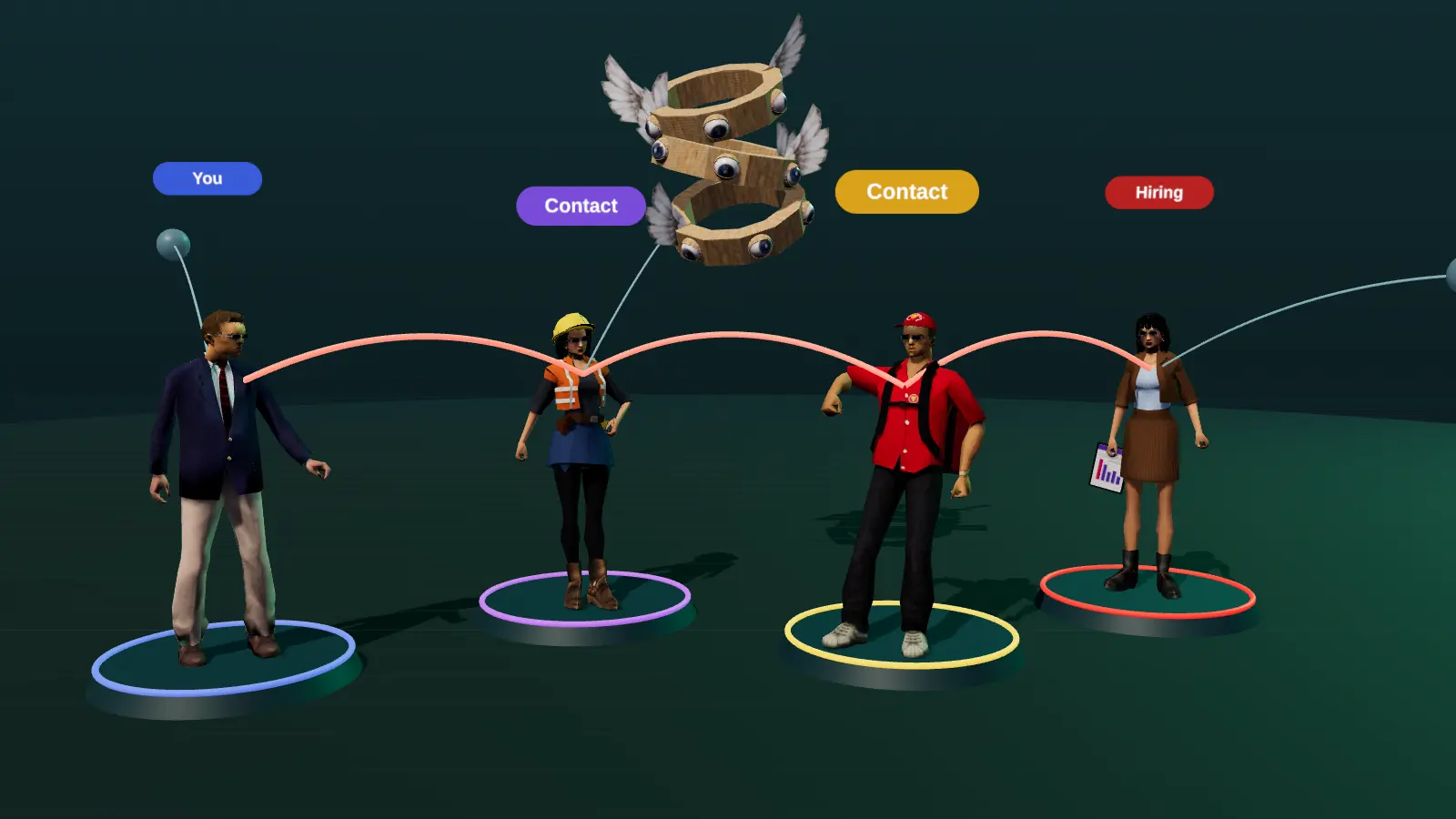
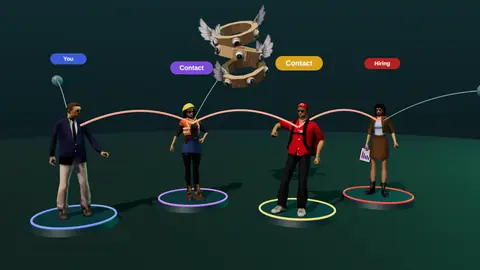
- Find people with a real link: former colleagues, alumni, community members, second-degree contacts.
- Make the ask small and specific; send the job link and a three-line summary of your fit.
- Lead with a question, not a demand; make it easy to say no.
- Follow up once, thank them either way and report back.
Why referrals work
A referral gives the employer a trusted signal at no cost: someone they know has seen your work or believes you would fit. It often places your application in a separate queue, gets it read by a human sooner and can add context a resume cannot. Referral programmes usually pay the referrer a bonus after a hire, so many employees are happy to refer a candidate they believe in.
It does not replace a good resume. It makes sure a good resume is read. See how to tailor it first.
Step 1: find who can actually help
Start with the strongest links and work outward:
| Tier | Who | What to ask |
|---|---|---|
| 1. Close | Former colleagues, classmates, managers, friends | A direct referral or an intro to the hiring manager |
| 2. Warm | Alumni, members of your community, people you met at events | A short chat and, if it goes well, a referral |
| 3. Second-degree | A friend of a friend at the target company | An introduction from the mutual contact |
| 4. Cold | Employees you found via the company page or professional networks | Advice on the role first, referral only if natural |
JobAny's warm intro finder helps map these paths so you can see who in your network connects to a company before you write anyone.
Step 2: prepare a one-minute pack
- The job link and title.
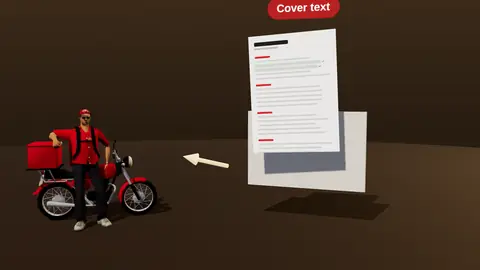
- Your resume, tailored to the vacancy.
- Three lines on why you fit, using the vacancy's top requirements.
- A forwardable blurb they can paste to the recruiter or hiring manager.
The goal is to make forwarding a two-minute job for them.
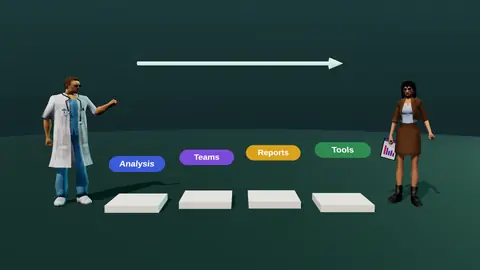
Paste a job link, add your resume and get a requirement-by-requirement report.
Step 3: send the message
To a former colleague:
Hi Marco, hope the new team is going well. I saw that your company is hiring a Product Analyst (link). It looks very close to what I did at Acme: SQL, Looker, A/B tests on onboarding. Would you be open to referring me, or telling me if it is a good fit? I attached my resume and a three-line summary you can forward if useful. No worries at all if it is not a good time.
To a weak tie or alumnus:
Hi Elena, I am a fellow Politecnico graduate and I am applying for the Operations Analyst role at your company (link). I would value 10 minutes of your view on the team and whether my background in logistics planning could fit. If it seems right, I would appreciate a referral, but advice alone is helpful.
To a stranger: ask for advice, not a referral. A short note on a specific point (their team's recent launch, a talk they gave) followed by one question is far more likely to get an answer.
Step 4: follow up and close the loop
- If no reply in 5 to 7 days, send one short nudge.
- If they agree, send the pack right away and apply through the official link (they will submit the referral using your details).
- Thank them whether or not it leads anywhere.
- Tell them the outcome and, later, offer something in return.
Why referrals convert better
An employee who recommends you lends their credibility to your application, so the recruiter reads your file with more attention and often fast-tracks it. Many companies run referral programmes with bonuses, which gives employees a reason to help when they believe you fit. A referral does not guarantee an offer, but it can move you from hundreds of cold applications to a short list.
Who to ask, in order
- People you have worked with: former colleagues and managers now at the target company.
- Weak ties: classmates, alumni, people from communities and events.
- People with shared interests: authors, speakers, open-source maintainers in your field.
- The hiring team: a short note to the manager or a team member after you apply.
Weak ties are surprisingly valuable because they connect you to groups you do not already know.
The two-step ask
Do not open with a request for a referral from someone who barely knows you. Ask for a small thing first: fifteen minutes of advice about the team. If the conversation goes well, ask whether they would be comfortable referring you, and make it easy by sending a short summary, the link to the vacancy and your resume. Always give them an easy way to decline gracefully.
Hi Marco, I'm applying for the Product Analyst role at Acme and saw you work on the data team. I'd value 10 minutes of your view on how the team works. If it sounds like a fit afterwards, I'd be grateful for a referral, but no pressure either way. Happy to send a one-paragraph summary.
Follow-through and gratitude
- Thank them even if nothing comes of it.
- Tell them the outcome, good or bad.
- Offer help in return when you can.
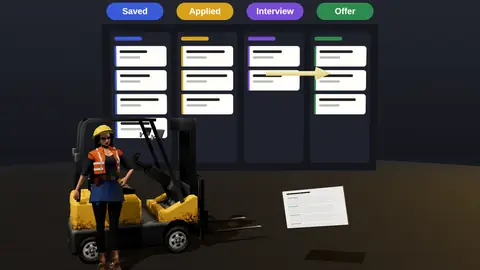
- Record contacts and dates in your tracker and follow up politely (how).
Tools like Intro Lab help map paths and draft messages.
Mistakes that kill referrals
- Asking a stranger on first contact for a referral to a role they know nothing about.
- Sending a wall of text with no job link.
- Applying first and asking later, which can make the referral ineligible at some companies.
- Chasing repeatedly.
- Asking for a referral to a role you do not fit.
Track who you contacted, when and the answer in your application tracker, and see how to follow up after applying.
Check your resume against a real vacancy
Add your resume and a job link. JobAny shows which requirements are covered, what is missing, what a recruiter sees first and whether the file reads cleanly. Start costs $1, no subscription.
Frequently asked questions
Is it okay to ask for a referral from someone I barely know?
Ask for a short conversation or advice first. Many will offer a referral if the fit is clear.
Should I apply before or after asking for a referral?
Ask first. Some employers will not accept a referral for someone who has already applied.
What if the company has no referral programme?
A personal intro to the hiring manager or recruiter still helps.
How do I find employees at a company?
Check your network, alumni lists and professional networks, or use a tool that maps your connections.
Can I thank someone with a gift?
A thank-you message is enough. Offer help in return later.
Is asking for a referral awkward?
Not when you are polite, specific and low-pressure.
What if I have no network?
Start with alumni, communities and people whose work you follow.
Should I apply first or ask first?
Either; tell the referrer which route you used.
Do referrals work for every company?
Mostly, especially mid-size and large firms with referral programmes.
Keep reading