What is a resume and what is it for?
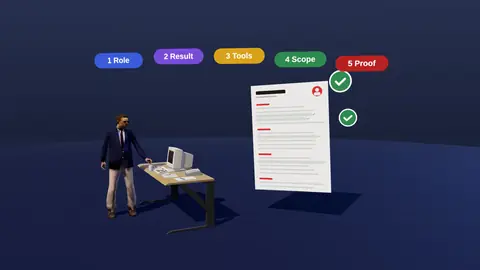
A resume is a one- or two-page summary of your work experience, skills and education that you send to apply for a job. Its only purpose is to get you to the next step: a call or an interview. It is not a life story. It is a selection of facts chosen for the job you want.
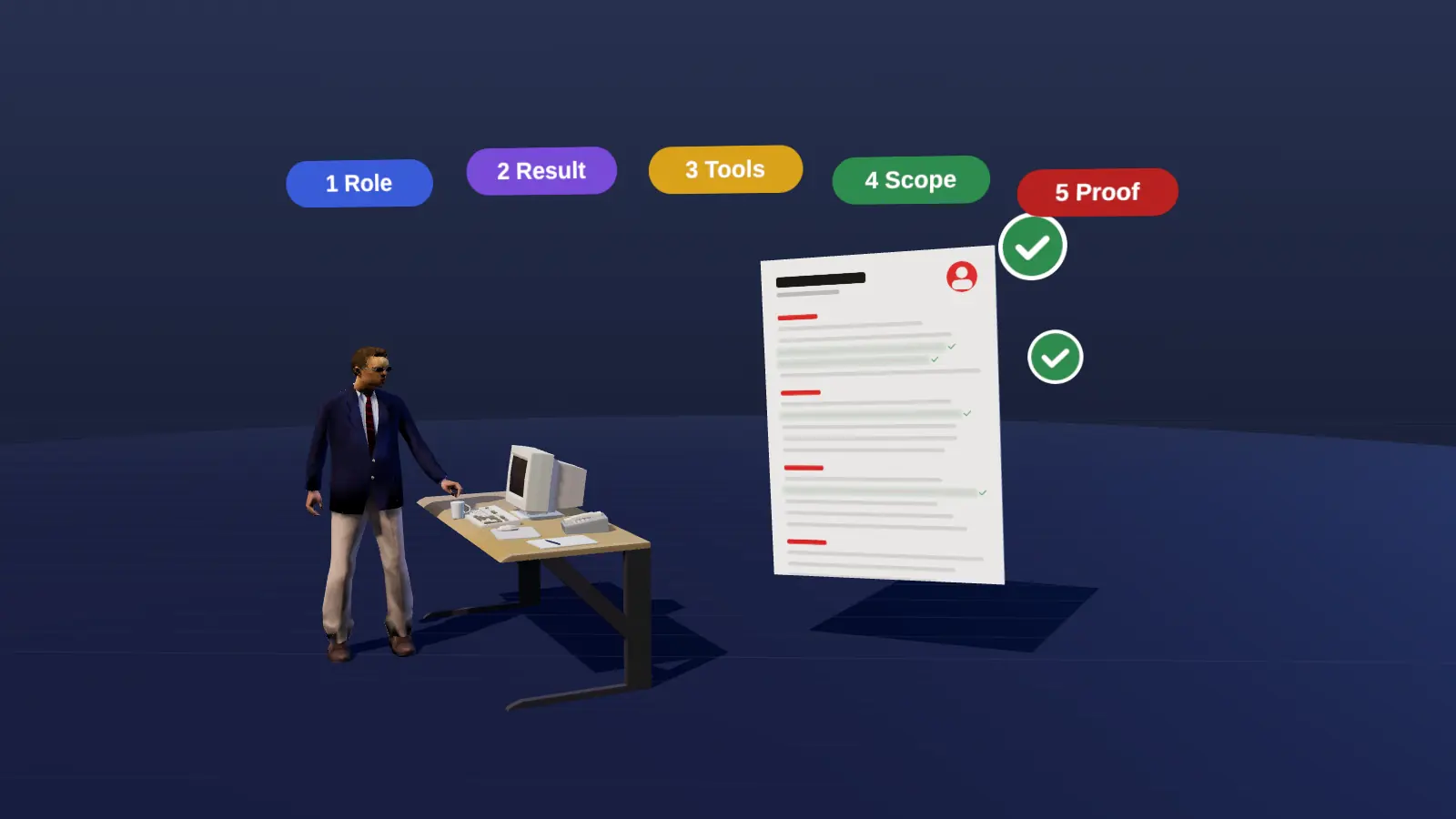
- A resume is a short, targeted summary of your experience for a job application.
- Its goal is an interview, not a complete history.
- Core sections: contacts, summary, experience, skills, education.
- It is often read by software first and by a recruiter in seconds.
Resume meaning
The word comes from the French résumé, meaning summary. In the US and Canada a resume is the standard job application document. In the UK, Ireland and much of Europe the same document is usually called a CV, while in US academic settings a CV is a longer, complete record. Read more in resume vs CV.
What a resume is for
- To show an employer, quickly, that you meet the main requirements of a vacancy.
- To be found in searches inside the employer's applicant tracking system.
- To give interviewers a list of things to ask you about.
- To leave a short record that can be forwarded to a hiring manager.
Everything on it should serve one of these jobs. Anything else is noise.
What a resume contains
| Section | What goes in it |
|---|---|
| Header | Name, target title, city, email, phone, LinkedIn or portfolio |
| Summary | Two or three lines with your level, field and strongest result |
| Experience | Jobs in reverse order with 3 to 6 result-focused bullets each |
| Skills | Grouped hard skills, tools and languages with levels |
| Education | Degree, institution, year |
| Extras | Certifications, projects, volunteering when relevant |
Full checklist: what to include in a resume. Ready layout: resume example and template.
JobAny shows what a recruiter notices first and which job requirements your resume proves.
How employers read a resume
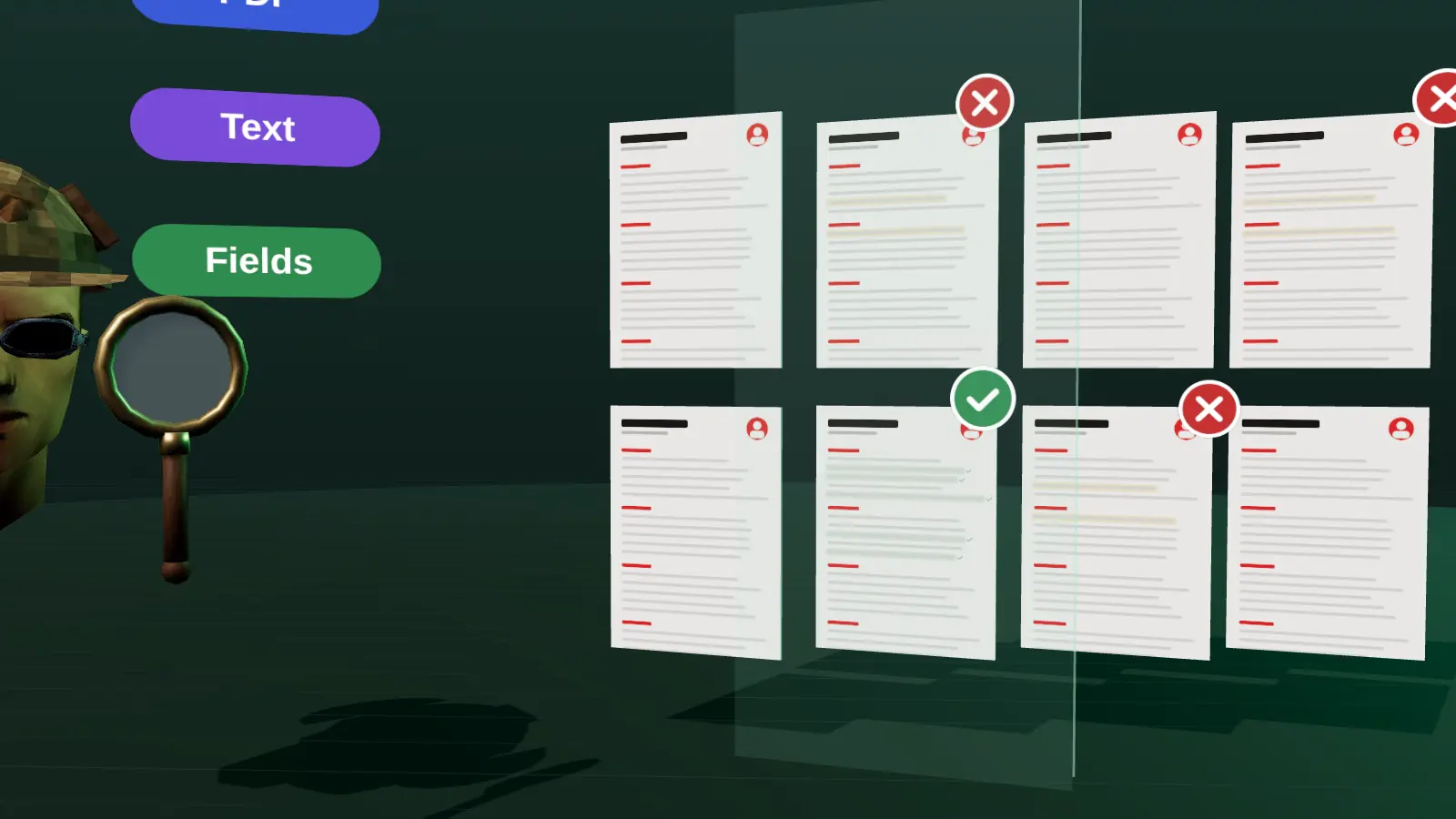
Many employers use an applicant tracking system that extracts the text of your file into fields and lets recruiters search it. Then a person skims the resume, often in under a minute, looking for the job title, recent employers, relevant results and the skills named in the vacancy.
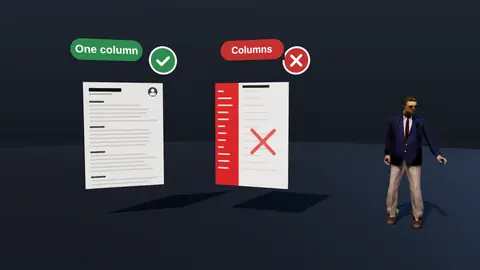
That is why a plain layout and the employer's own wording matter. See what is an ATS.
Types of resumes
| Type | How it is built | Use it when |
|---|---|---|
| Reverse-chronological | Latest job first, with results under each | You have a steady history in the field: the default for most people |
| Hybrid | A strong skills summary, then work history | You are changing careers or have very specific skills |
| Functional | Skills grouped by theme, little or no chronology | Rarely; recruiters often distrust it |
| Targeted | Any of the above, rewritten for one vacancy | Always, for applications that matter |
What not to put on a resume
- Full home address, date of birth, marital status, ID numbers (unless the local market expects some of them).
- Salary history.
- Reasons for leaving each job.
- References available on request.
- Every job you ever had: keep the relevant ones from the last 10 to 15 years.
- Skills you cannot back up in an interview.
A good resume in one sentence
Relevant facts, proven with results, in the employer's language, in a layout that both software and people can read.
The fastest way to check yours is against a real vacancy: which requirements are clearly covered, which are hidden in other words and which are missing. That is what JobAny's resume analysis for a vacancy shows.
Check your resume against a real vacancy
Add your resume and a job link: covered, hidden and missing requirements, plus how the file reads. Start costs $1.
Frequently asked questions
What is a resume in simple words?
A short document that summarises your experience, skills and education so an employer can decide whether to interview you.
What is the purpose of a resume?
To get an interview by showing that you meet the main requirements of a specific job.
Is a resume the same as a CV?
In everyday European usage yes. In the US, a CV usually means a longer academic record.
How long is a resume?
Usually one page, two for long or senior careers.
Do I need a different resume for every job?
Keep one master version and adjust the summary, bullet order and wording for each vacancy.
Keep reading