Cover letter generator based on your real resume
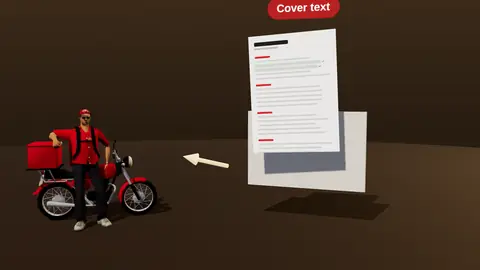
A cover letter is read only if it is short and specific. JobAny drafts one from your resume and the vacancy, linking your proof points to the company's needs, so you start from a relevant draft instead of a blank page or a generic template.
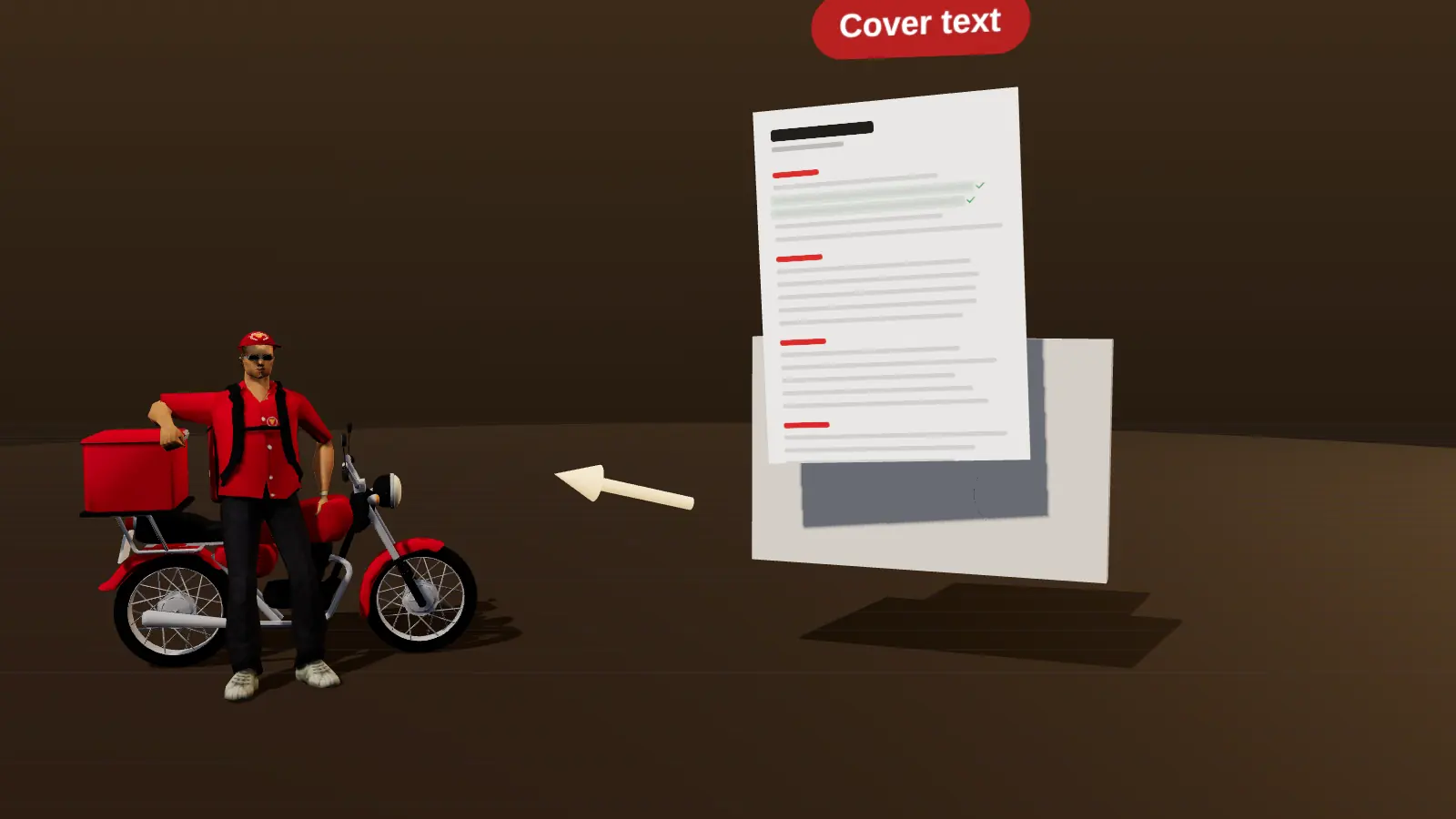
- Drafts from your resume plus the vacancy.
- Three-paragraph structure: why them, proof, close.
- You edit before using it; claims stay true.
- Matches the story of the tailored resume.
What the draft contains
| Paragraph | Purpose |
|---|---|
| Opening | Role, why this company, one hook |
| Proof | Two relevant results linked to the vacancy's needs |
| Close | Interest and next step |
See how to write a cover letter for the full principles.
How to use it
- Run the vacancy analysis (analysis).
- Generate the cover text.
- Add one personal detail about the company.
- Check every claim against your resume.
- Send with the tailored resume.
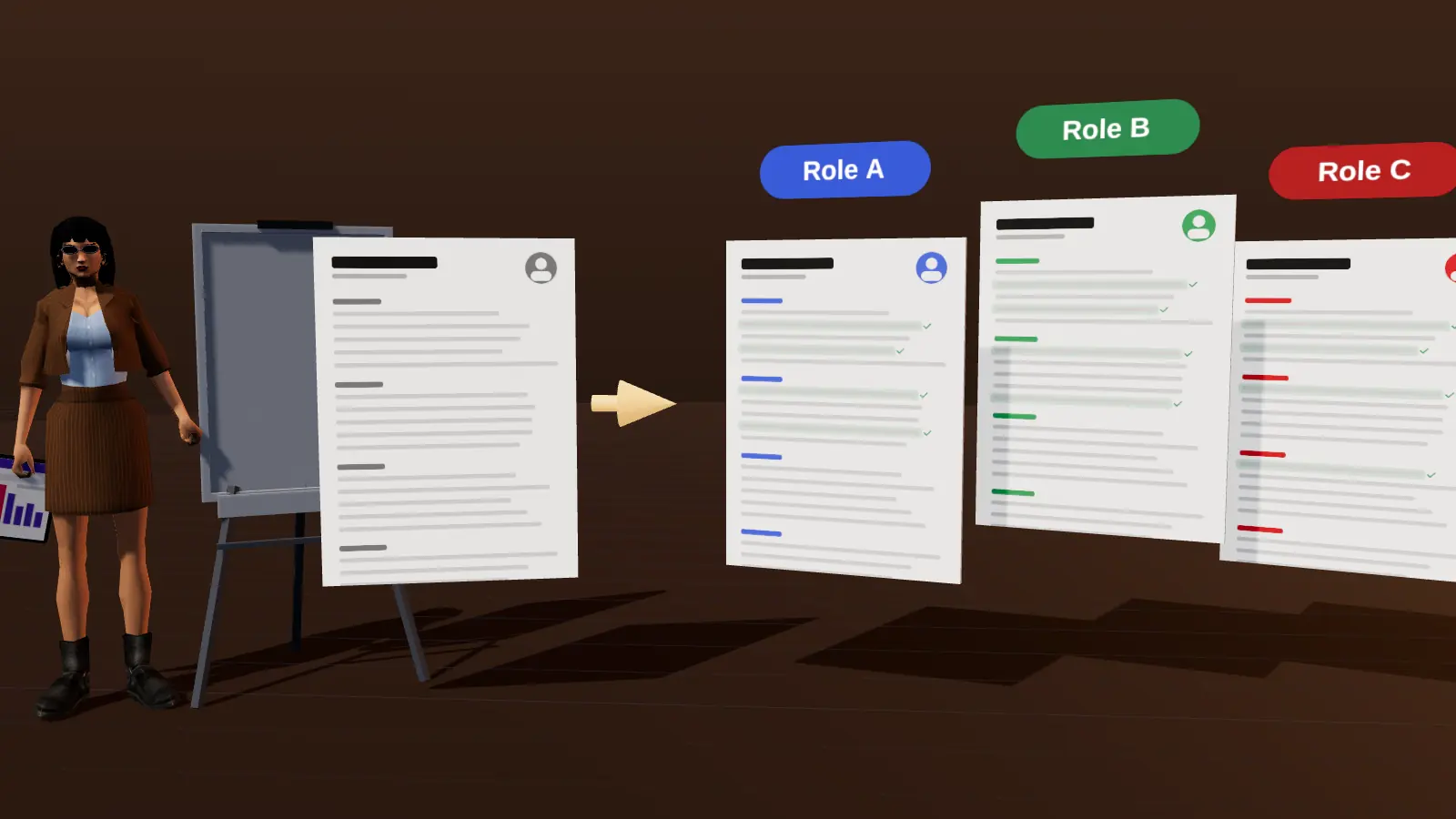
Why generic letters fail
Letters that could be sent to any company get ignored. A letter that links two of your results to two of their needs earns attention. The generator is designed around that structure.
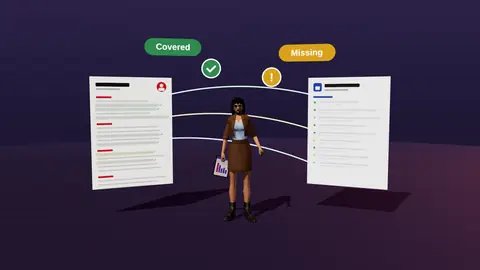
Paste a job link, add your resume and get a requirement-by-requirement report.
A sample structure filled in
I am applying for the Operations Analyst role because your team is expanding into three new cities and needs reliable reporting. At my current company I rebuilt weekly reporting, cutting preparation from 6 hours to 40 minutes and exposing a 9% delivery delay we then fixed. I would bring the same approach to your expansion. I would be glad to walk you through the dashboard I built.
Editing checklist
- Name the company and role correctly.
- Keep only two proof points.
- Replace any generic sentence with a specific one.
- Remove adjectives you cannot back up.
- Fit it in 150 to 250 words.
When to skip it
If an application explicitly says no cover letter, do not send one. If it is optional and you have no specific reason to write, put the effort into the tailored resume and a direct message to the recruiter.
Three situations where the letter earns its place
- Career change: one paragraph links your past to the new role.
- Small company: shows you understand their product and stage.
- Explaining context: relocation, a gap or a unique route into the role.
In each, a short honest letter turns a possible question into a reason to talk.
Structure the generator follows
| Block | Source |
|---|---|
| Why this company | Vacancy and company context you provide |
| Two proof points | Strongest matching results from your resume |
| Close | A clear, polite next step |
Because the proof comes from your resume, the letter and CV reinforce each other.
Make it yours in five minutes
- Add one specific detail about the company: a product, a launch or a value.
- Replace any phrase you would never say aloud.
- Cut to the strongest two results.
- Check names, dates and spelling.
- Read it aloud once.
See how to write a cover letter for deeper guidance.
Mistakes that sink a cover letter
- Repeating the resume line by line.
- Opening with a generic phrase that fits any company.
- Writing more than one page.
- Addressing the wrong company or role name.
- Ending without a clear next step.
Length and tone
Aim for 150 to 250 words, three short paragraphs, plain language. Match the tone of the company: relaxed for a startup, more formal for a bank. Write as you would speak in a professional conversation, and avoid superlatives that you cannot support.
Where this fits in the full JobAny workflow
A strong application is built in a sequence, and each step feeds the next. 1. Find roles with the job search agent or the channels in where to find jobs. 2. Read the vacancy properly using how to read a job description. 3. Analyse your resume against it with resume analysis. 4. Tailor the top of the page with resume tailoring. 5. Add a short cover note if it helps. 6. Find a warm route through warm intros. 7. Apply and log it in the tracker. 8. Follow up using follow-up methods. Skipping a step is fine when the role does not justify the effort, but knowing the sequence helps you decide where your time pays off most. Start with one role you genuinely want and run the whole path once; the second time it will take a fraction of the time.
Key terms explained
- ATS
- Applicant tracking system, software employers use to collect, store and search applications.
- Parsing
- The step where software reads your file and sorts the text into fields such as name, employers and dates.
- Tailoring
- Adjusting emphasis and wording of the same true facts for one specific vacancy.
- Requirement coverage
- How many of a vacancy's main requirements your resume proves with evidence.
- Master resume
- Your complete private version with every role and result, from which you build shorter tailored copies.
- Warm introduction
- A recommendation or message passed through someone who already knows both sides.
- Reply rate
- Replies divided by applications sent, the clearest signal of whether your approach works.
Knowing these terms makes it easier to read job ads, compare tools and judge advice you find online, because many claims depend on what exactly is being measured.
Keep it short
Aim for 150 to 250 words. If the application has a field for it, paste it there; otherwise send as the email body.
Try it on your own resume
Start costs $1 as a one-time payment, with no subscription. Add your resume and a vacancy link and see the result.
Frequently asked questions
Is a cover letter always needed?
Not always, but when optional a short good one helps.
Will it sound generic?
It is built from your facts and the vacancy; add one personal detail to make it yours.
Does it invent experience?
No. It uses what your resume states.
How long is the draft?
A short three-paragraph text you can edit.
Can I generate one per vacancy?
Yes.
Should I attach or paste it?
Paste into the form field if there is one, otherwise use it as the email body.
Can I reuse a letter?
Reuse the structure, not the text.
What tone is best?
Polite, direct and specific.
Does the letter use my facts only?
Yes, it draws from your resume and the vacancy text.
Can I generate in Ukrainian?
Write in the language of the application.
How many drafts can I make?
As many as you need for different vacancies.
Keep reading