How JobAny works, step by step
JobAny is built around one idea: every application should be a match for a specific vacancy. Here is the full flow, from finding a role to following up.

- Start with a real vacancy, not a generic resume.
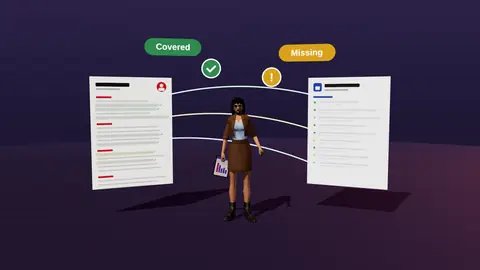
- Analysis shows covered, hidden and missing requirements.
- Build and tailor with a factual interview, then export.
- Find an intro, apply with confirmation and track follow-ups.
The flow
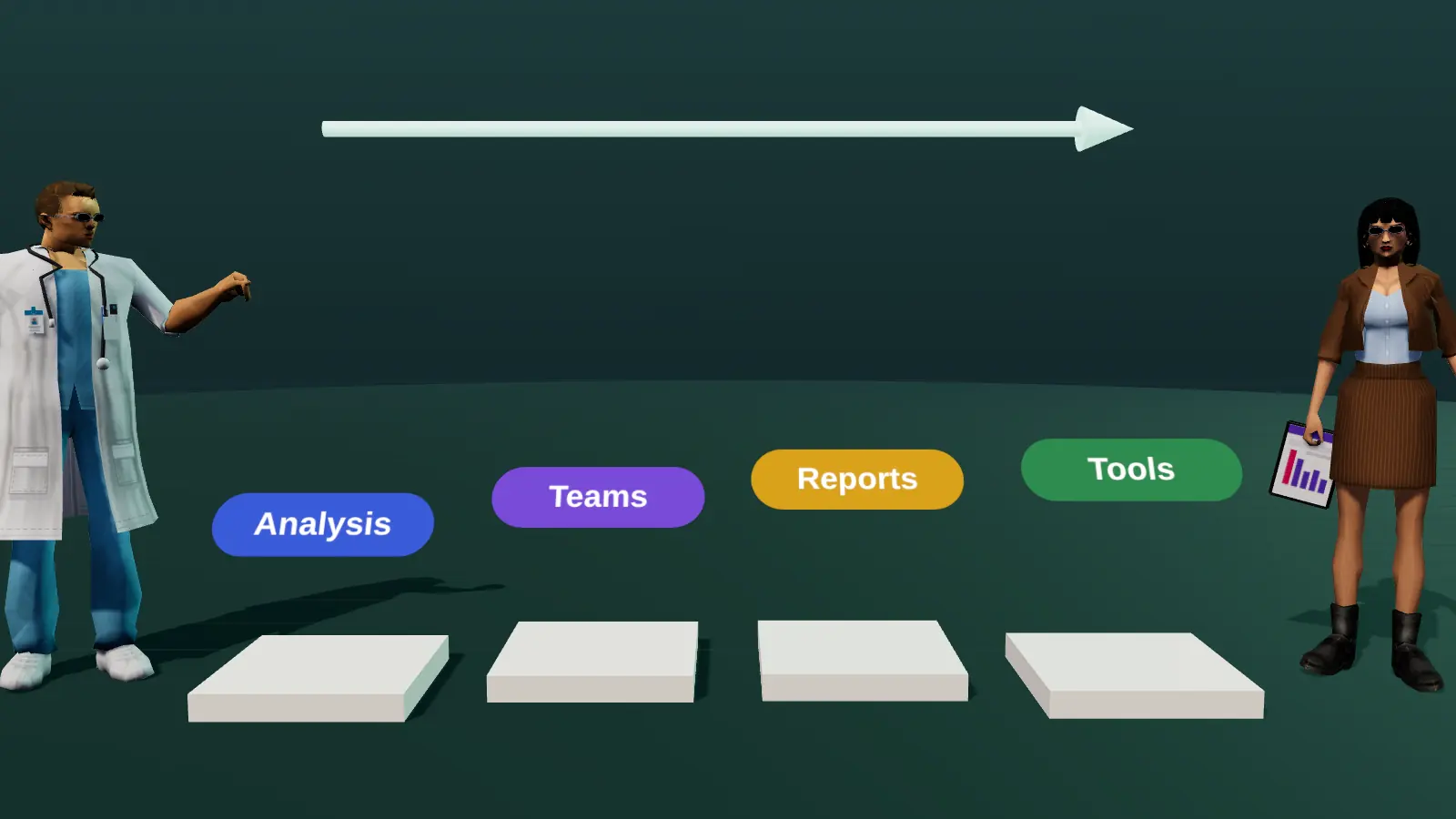
| Step | What happens | Feature |
|---|---|---|
| 1. Find | Roles ranked by fit | Job search agent |
| 2. Analyse | Resume vs vacancy: covered, hidden, missing | Analysis |
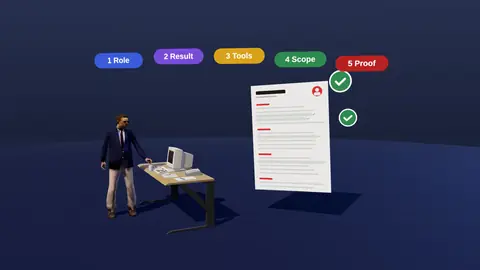
| 3. Build | Five-step factual interview, clean layout | Builder |
| 4. Tailor | Reword and reorder for the role | Tailoring |
| 5. Cover | Short, specific cover text | Cover letter |
| 6. Intro | Path and message to a person | Intro Lab |
| 7. Apply | Fill forms, you confirm | Extension |
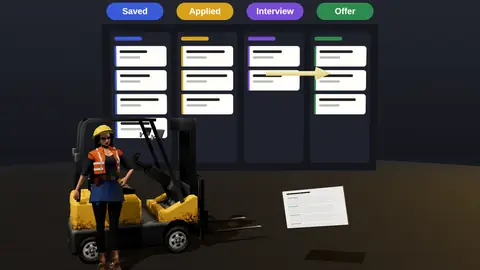
| 8. Track | Stages, versions, follow-ups | Tracker |
What JobAny will not do
- Invent experience or skills you do not have.
- Give a fake universal ATS score.
- Submit applications without your confirmation.
- Promise interviews.
Pricing
The Start plan is a one-time $1 payment, with no subscription. See pricing explained.
Paste a job link, add your resume and get a requirement-by-requirement report.
A day-in-the-life example
- Morning: the agent shows five roles ranked by fit.
- You tailor your resume for the top two and generate cover text.
- You message a contact at one company and apply to the other with the extension.
- You log both in the tracker with follow-up dates.
- Next week: follow up on those older than seven days.
What you need to start
- Your existing resume or LinkedIn profile.
- One vacancy you care about.
- About fifteen minutes.
Principles
- Truth first: only your own facts.
- Fit over volume.
- You decide; tools assist.
- Privacy by design.
What happens to your data at each step
You provide a resume and a vacancy. They are processed to produce findings and drafts shown only to you. You decide what to save, export or send. Nothing is submitted to an employer without your confirmation, and messages to contacts are drafts that you send yourself. For details on retention and deletion, read the privacy page.
Why the product is built around the vacancy
Most job search advice is generic: write a good resume, send many applications. But employers hire for a specific need. When your application mirrors that need with evidence, you stand out. That is why every JobAny flow starts from a vacancy: analysis, tailoring, cover text, introductions and tracking are all tied to a specific role.
Next steps
- New to resumes? Read how to make a resume.
- Have a resume? Try resume analysis.
- Want to know the price? See pricing.
A typical first session
- Upload or import your resume.
- Paste a vacancy you care about.
- Read the findings and pick three changes.
- Use the interview to add missing facts.
- Export and save the version.
What JobAny does not do
- Invent experience you do not have.
- Submit applications without your confirmation.
- Promise interviews or guaranteed ATS results.
- Replace your judgement.
Where this fits in the full JobAny workflow
A strong application is built in a sequence, and each step feeds the next. 1. Find roles with the job search agent or the channels in where to find jobs. 2. Read the vacancy properly using how to read a job description. 3. Analyse your resume against it with resume analysis. 4. Tailor the top of the page with resume tailoring. 5. Add a short cover note if it helps. 6. Find a warm route through warm intros. 7. Apply and log it in the tracker. 8. Follow up using follow-up methods. Skipping a step is fine when the role does not justify the effort, but knowing the sequence helps you decide where your time pays off most. Start with one role you genuinely want and run the whole path once; the second time it will take a fraction of the time.
Key terms explained
- ATS
- Applicant tracking system, software employers use to collect, store and search applications.
- Parsing
- The step where software reads your file and sorts the text into fields such as name, employers and dates.
- Tailoring
- Adjusting emphasis and wording of the same true facts for one specific vacancy.
- Requirement coverage
- How many of a vacancy's main requirements your resume proves with evidence.
- Master resume
- Your complete private version with every role and result, from which you build shorter tailored copies.
- Warm introduction
- A recommendation or message passed through someone who already knows both sides.
- Reply rate
- Replies divided by applications sent, the clearest signal of whether your approach works.
Knowing these terms makes it easier to read job ads, compare tools and judge advice you find online, because many claims depend on what exactly is being measured.
Where to start
If you are not sure where to start, begin with how to make a resume or analyse your resume against a vacancy you care about.
Try it on your own resume
Start costs $1 as a one-time payment, with no subscription. Add your resume and a vacancy link and see the result.
Frequently asked questions
Do I need to use every feature?
No. Start with the analysis and add others as needed.
Does JobAny write the resume for me?
It guides you through facts and helps phrase them; you review everything.
Does it work in my language?
The interface and guides are available in English and Ukrainian.
Is there a subscription?
The Start plan is a one-time payment.
Where is my data handled?
See the privacy page.
Is it only for tech jobs?
No, the flow works for any role with a written vacancy.
Does it work for career changers?
Yes; analysis shows how your experience maps to the new role.
Can I use only one part?
Yes, each feature works on its own.
Does JobAny submit applications for me?
No; you review and confirm.
Can I delete my data?
See the privacy page for options.
Where can I start for free?
See the pricing page for what is included.
Keep reading